Made
in Rüti

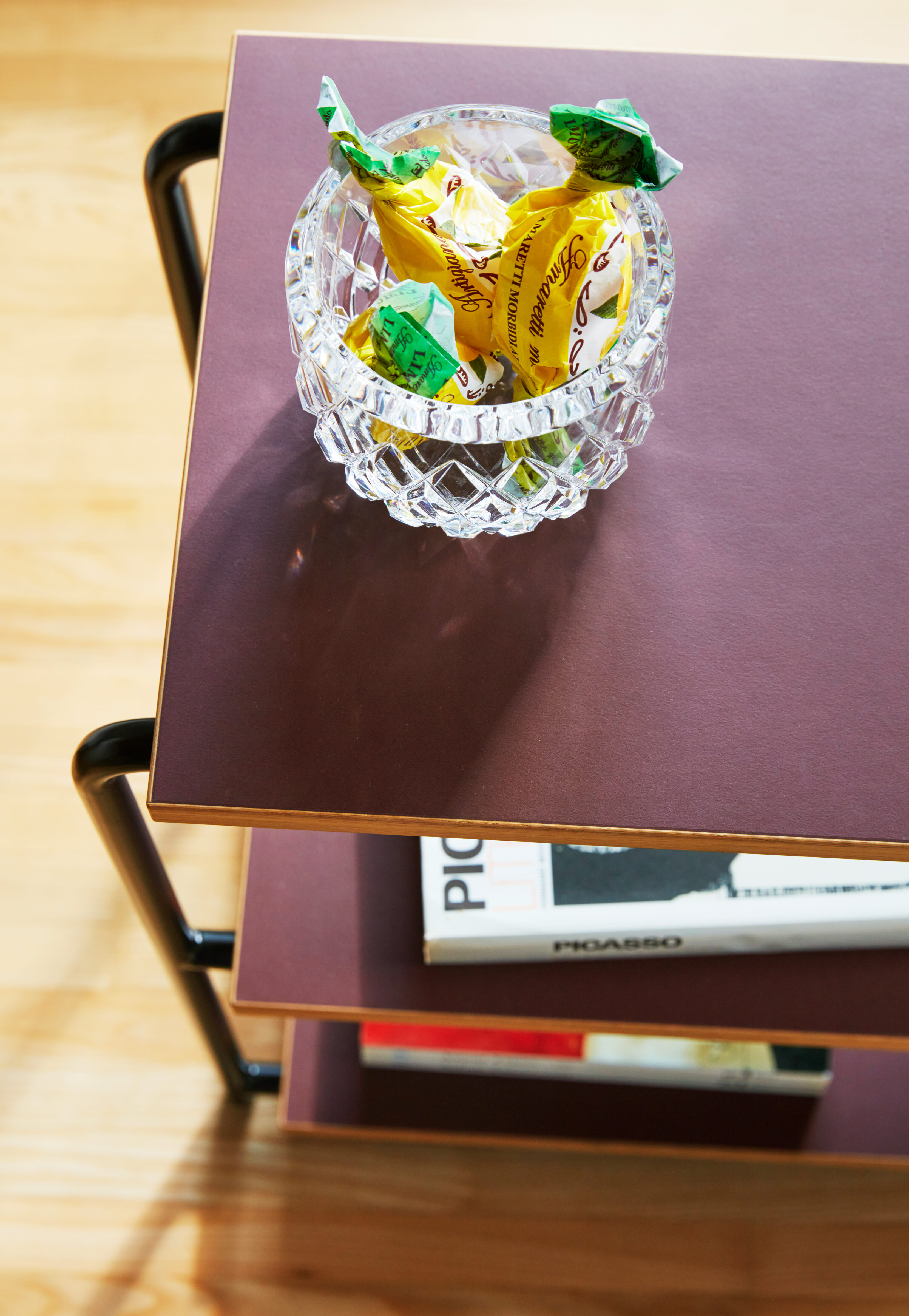
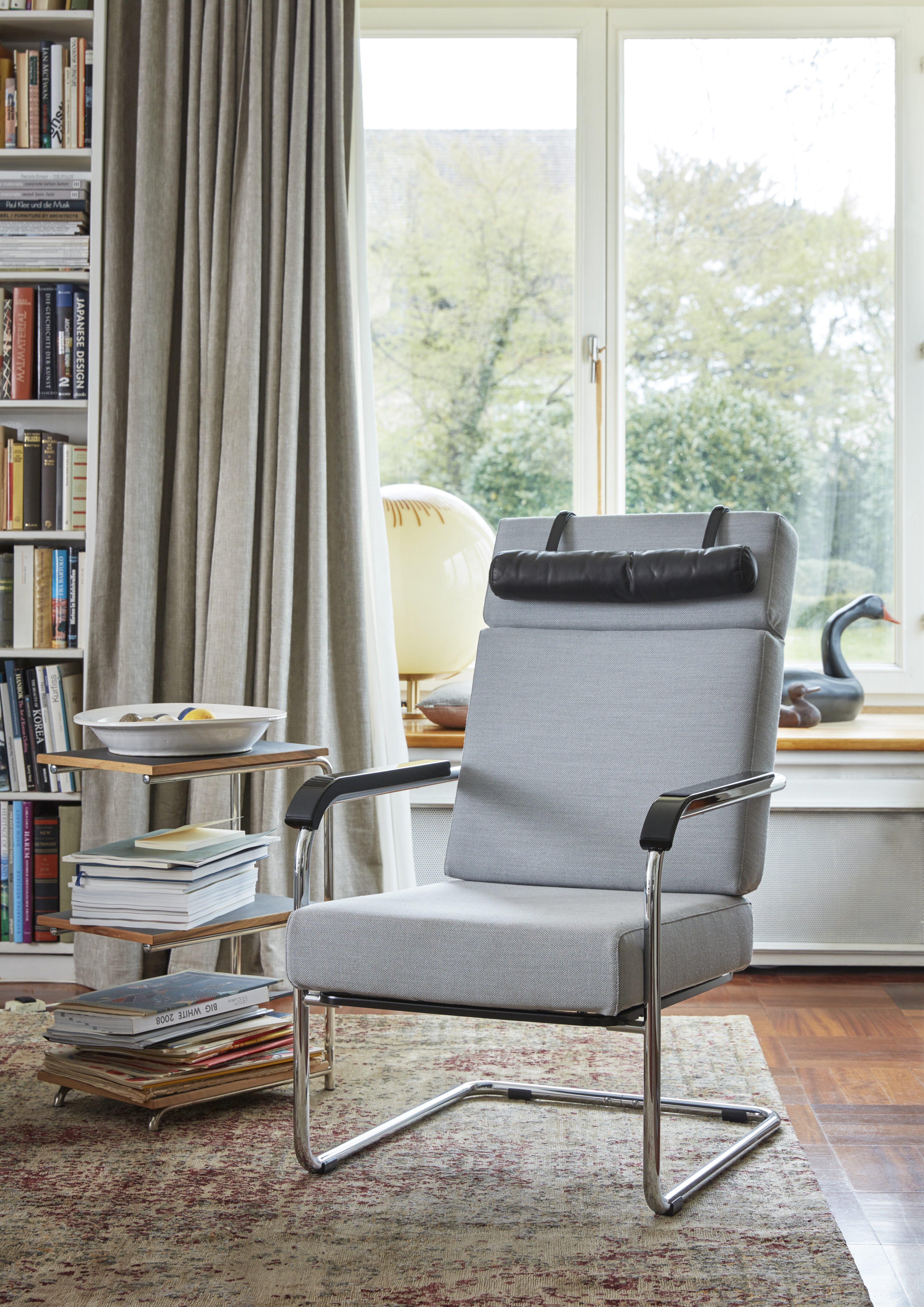
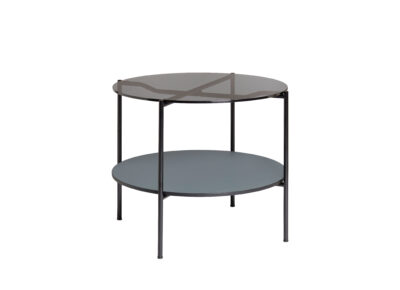
Moser side table

This small frame is an Embru classic and a true all-rounder

Information

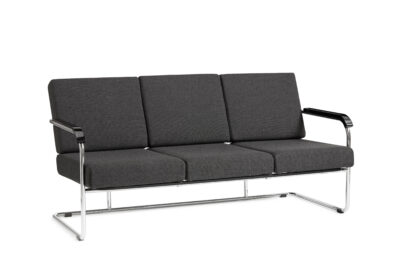
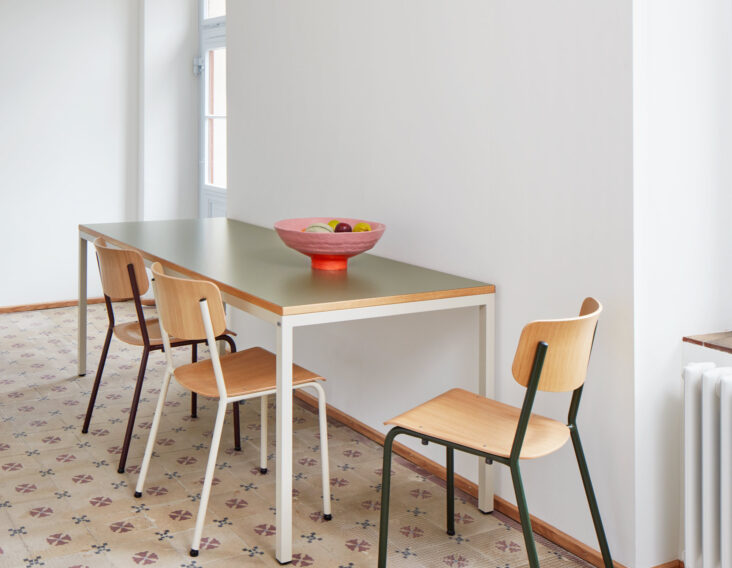
Werner Max Moser designed a whole range of furniture for Embru. Despite their similarity to the well-known Bauhaus models, his designs were always characterised by the Swiss philosophy of practical furniture: either adjustable, specifically stackable or versatile.

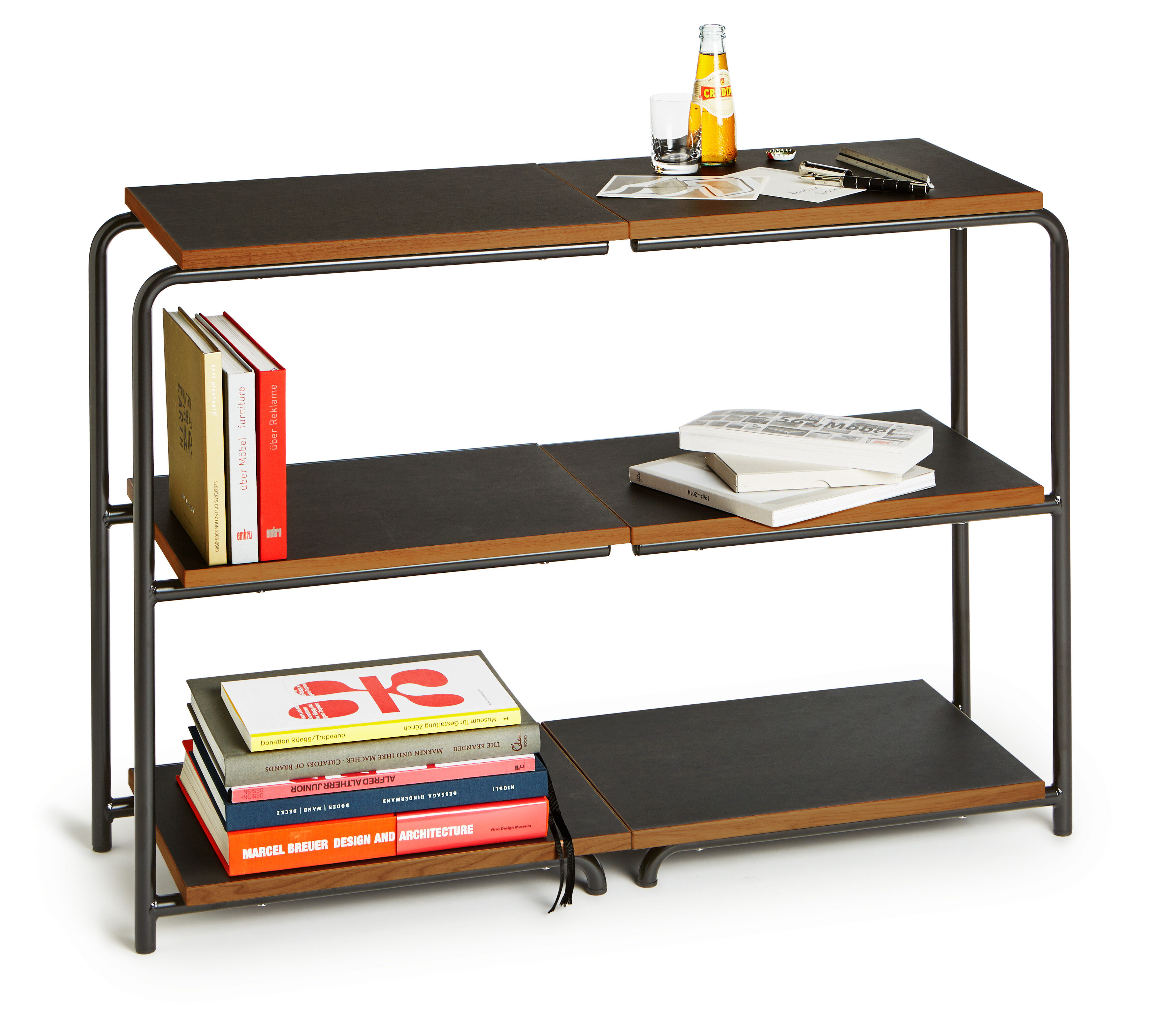
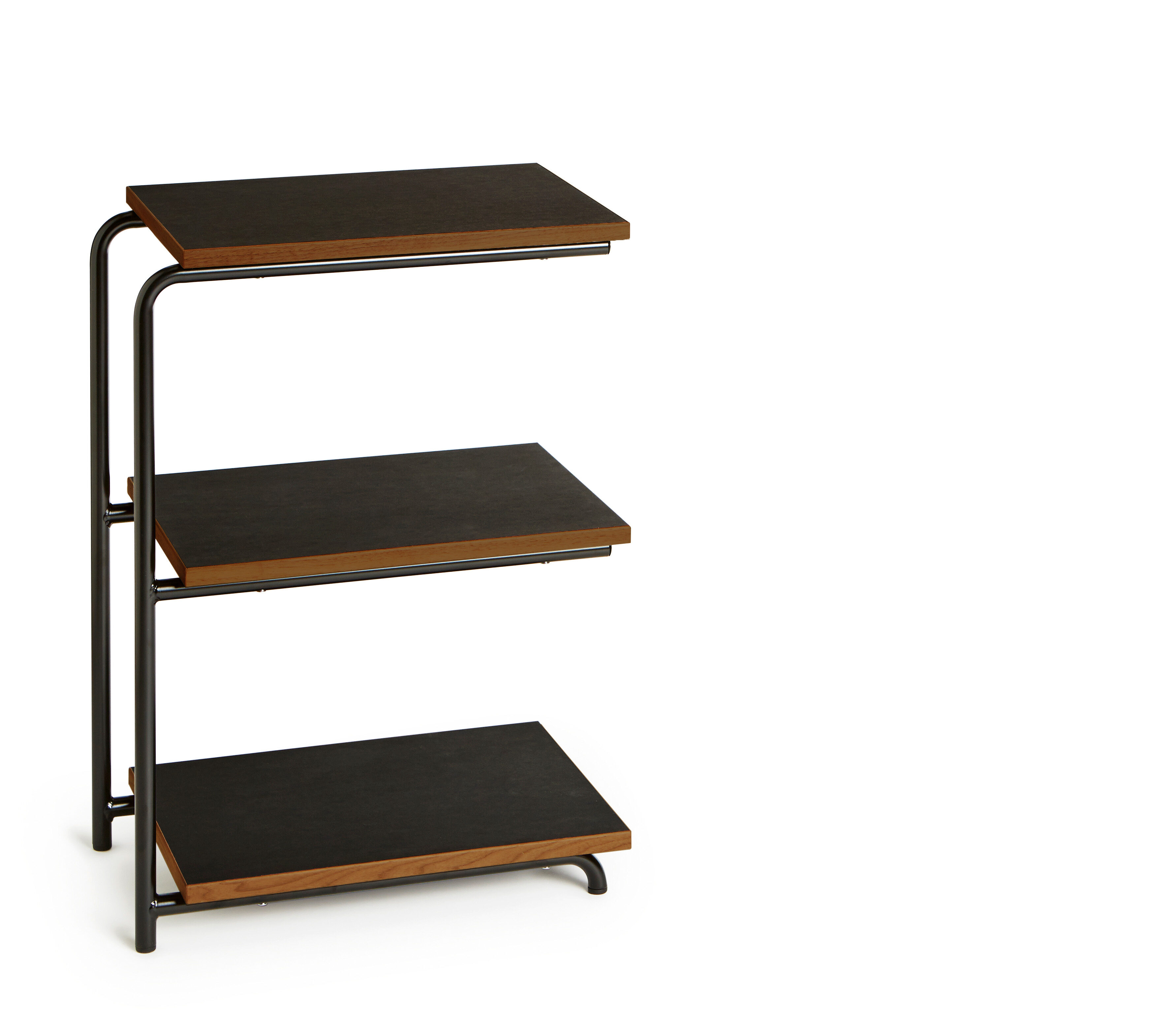
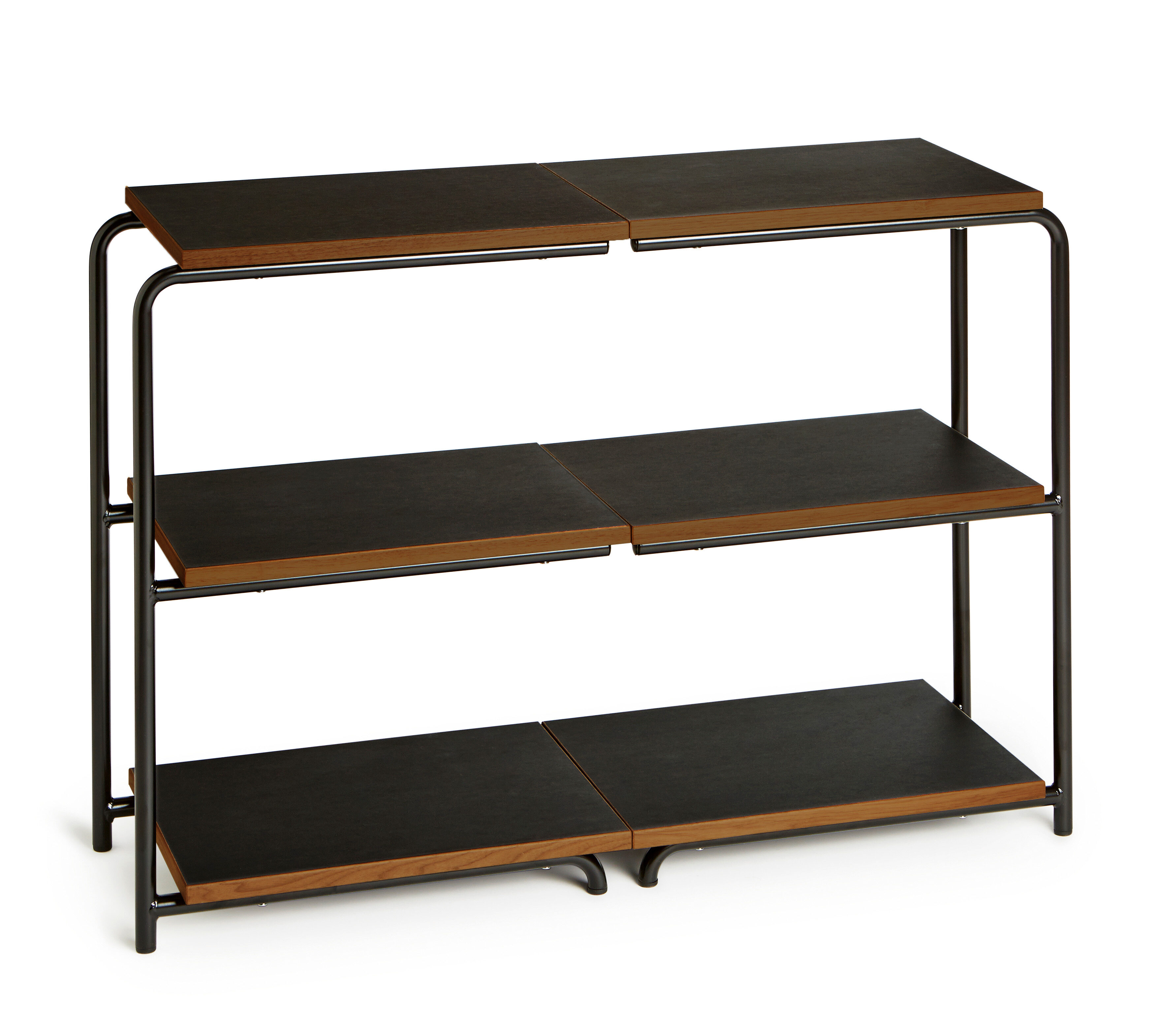
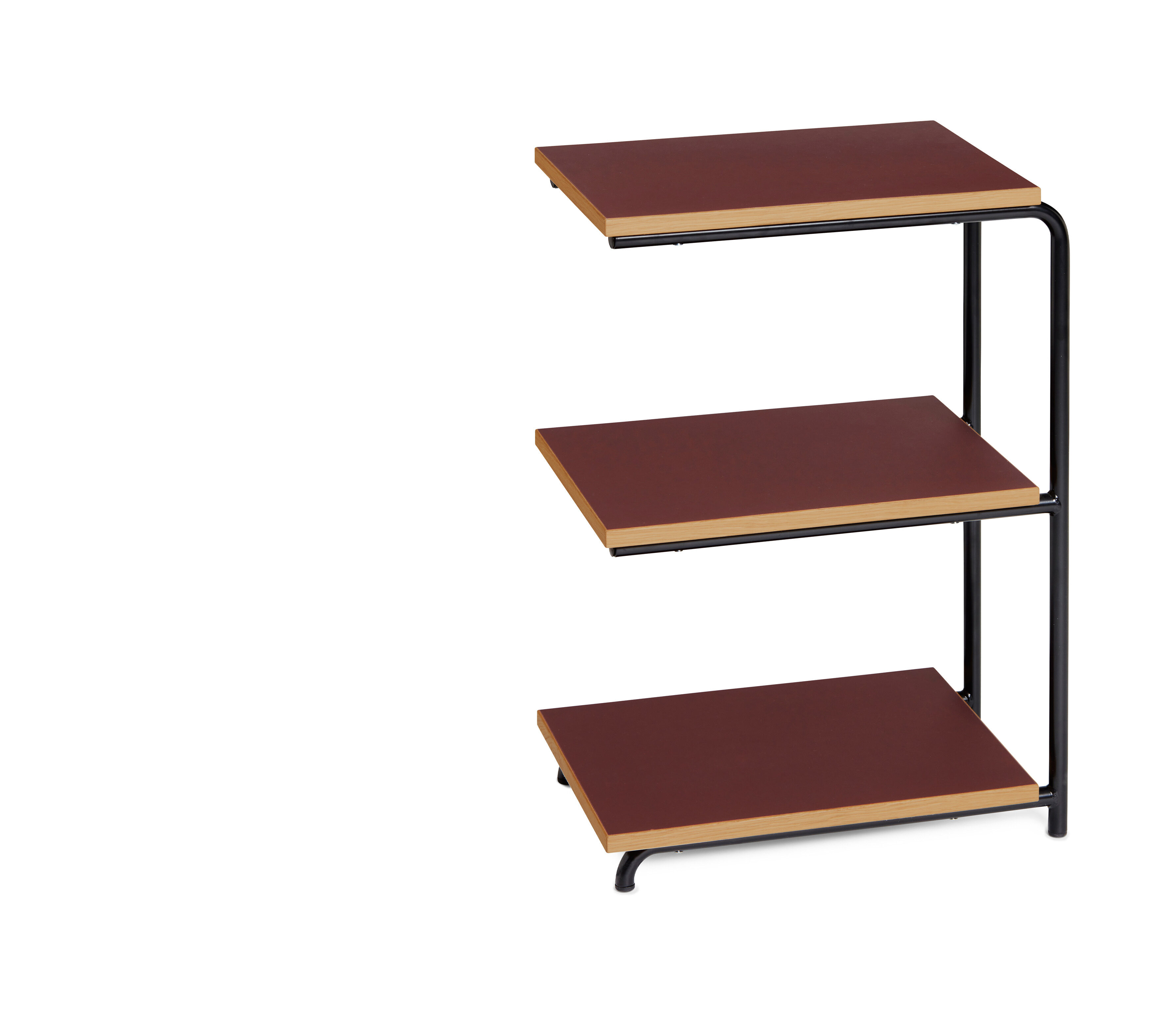
This was also true of the small side table, Model 120. It was created in 1931 and was available in various finishes. By placing two tables side by side, the cantilevered single piece becomes a self-contained storage unit. This versatility is also typical of the Swiss approach of that era.
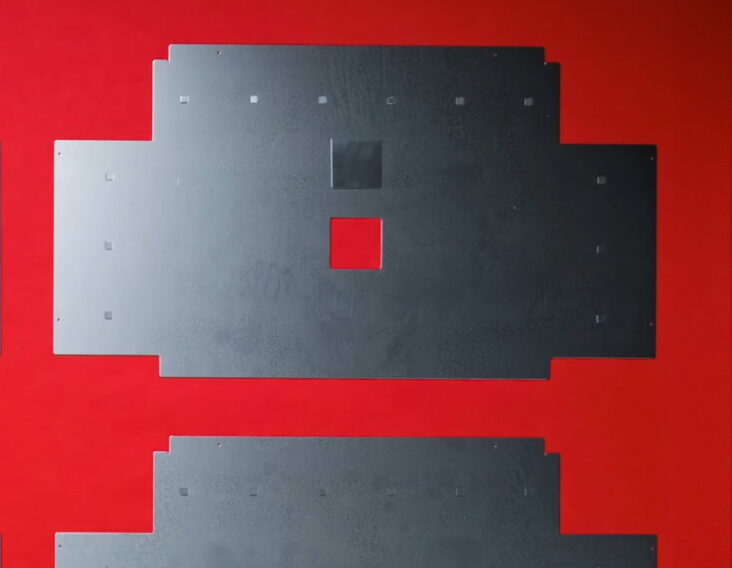
  • Frame: tubular steel, high-gloss chrome-plated or powder-coated
  • Tops: linoleum
  • Edges: solid wood
Show more

Specifications

Dimensionen
Dimensionen
W 30 cm
D 44 cm
H 61 cm
Schweiz
Schweizer Produkt
Designed, developed and manufactured in Switzerland

Inspiration

3D configurator

Surfaces

Frame
glanzverchromt
Stahlrohr
Tiefschwarz
Stahlrohr pulverbeschichtet
Shelves
Nero
Linoleum
Pewter
Linoleum
Burgundy
Linoleum
Edges
Amerikanischer Nussbaum naturlackiert
Holz massiv
Eiche naturlackiert
Holz massiv

Colours and finishes may differ from those shown and are not binding. Please contact us for physical colour samples.

Downloads

Go to the planning section

Related products

Werner Max Moser

1896–1970

Werner Max Moser

Werner Max Moser was a Swiss architect; he was born in Karlsruhe and studied architecture at ETH Zurich from 1916 under his father, Karl Moser. After working in Stuttgart and with Frank Lloyd Wright in the USA, he returned to Switzerland in 1926. In 1931, together with Sigfried Giedion and Rudolf Graber, he founded Wohnbedarf AG; in 1937, he co-founded the architectural practice Haefeli Moser Steiger; and from 1958 onwards, he taught at ETH Zurich.

Moser designed a whole range of furniture for Embru, some of which proved very popular with customers and were subsequently mass-produced. His designs are often characterised by a subtle sophistication, such as the adjustable seating position on the Moser armchair. These distinctive features enabled the piece of furniture to be protected by a patent.


Find out more

Show more
Contact + downloads