Made
in Rüti

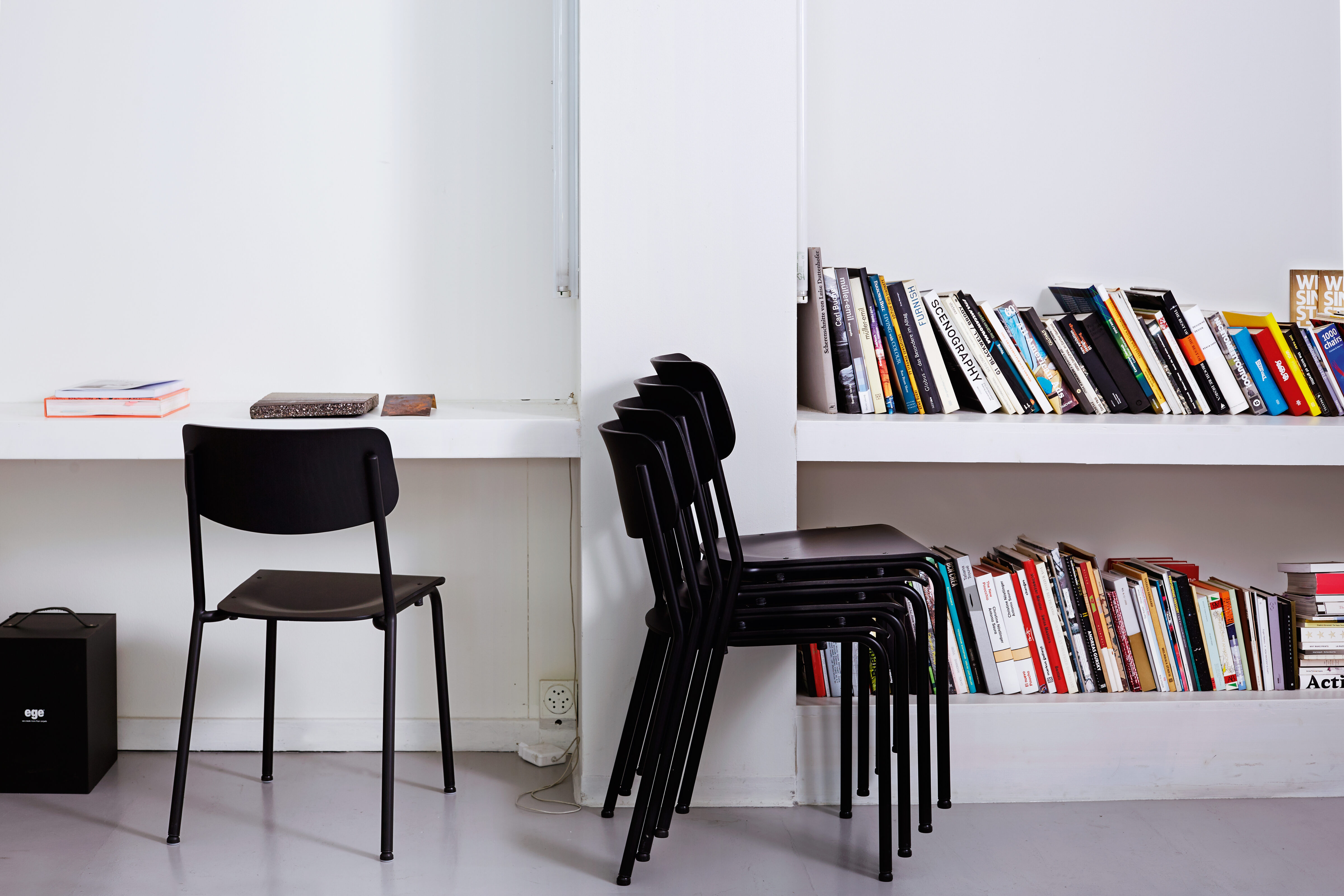
Hassenpflug Chair

This timeless classic is stackable and impresses with its clean lines

Information

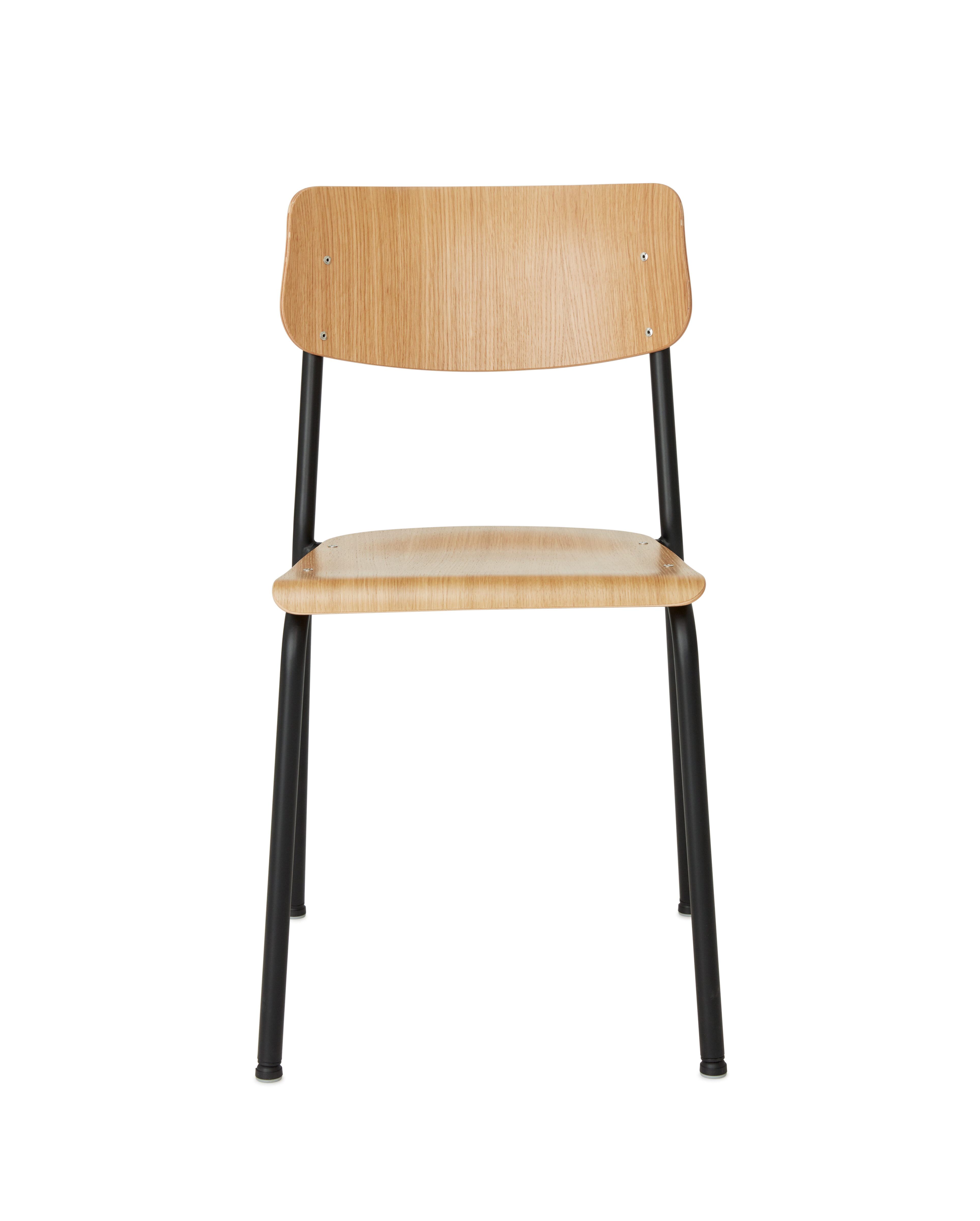
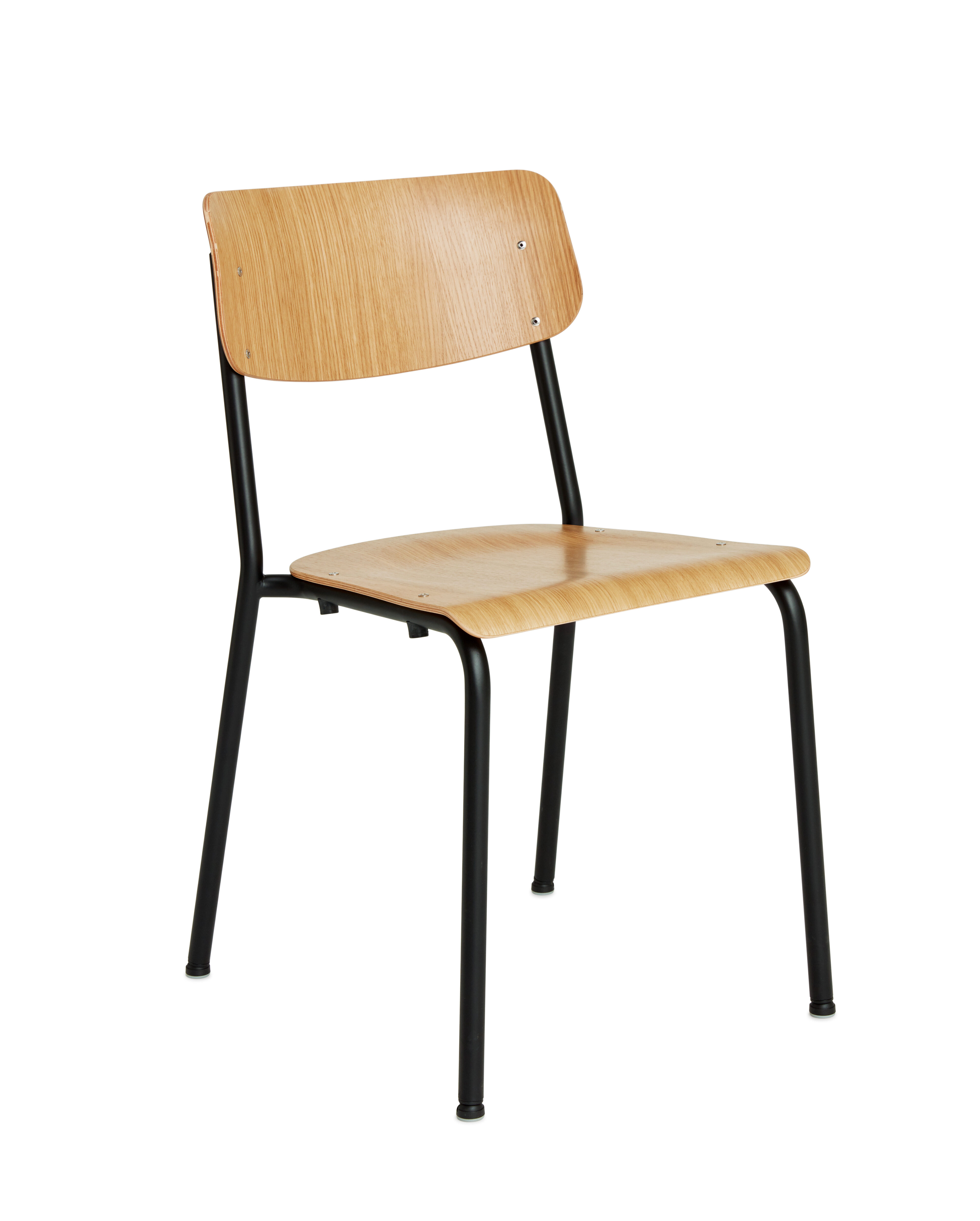
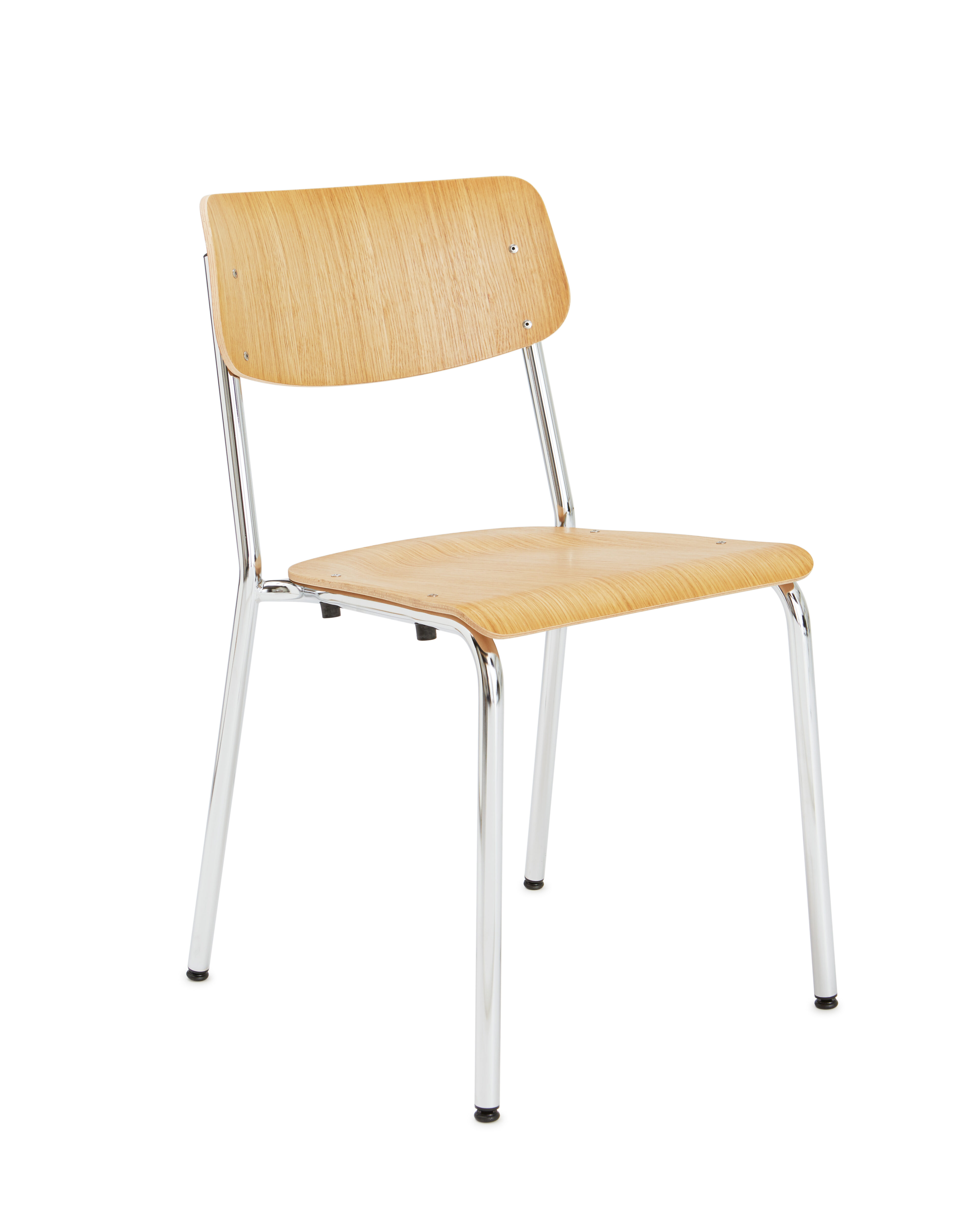
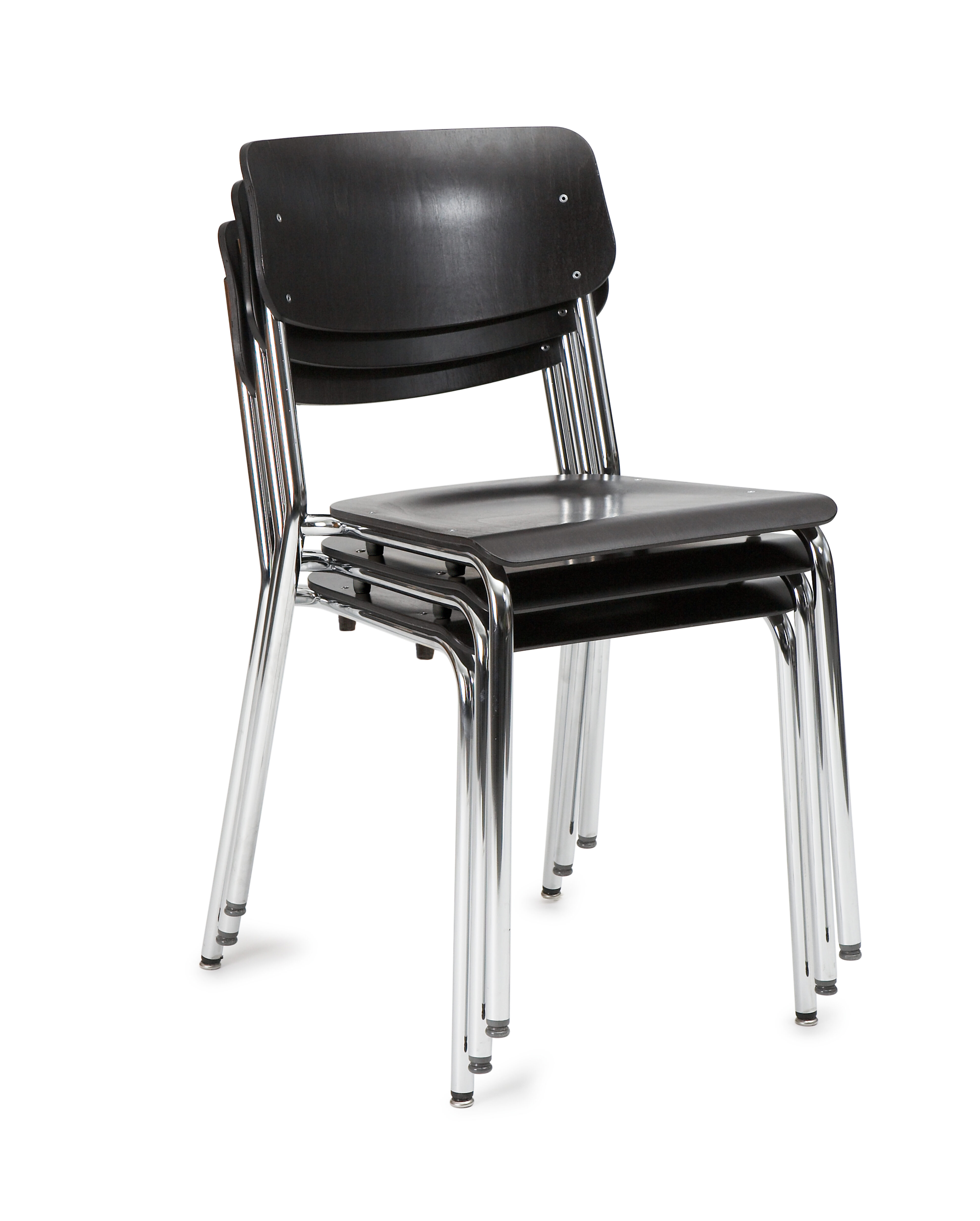
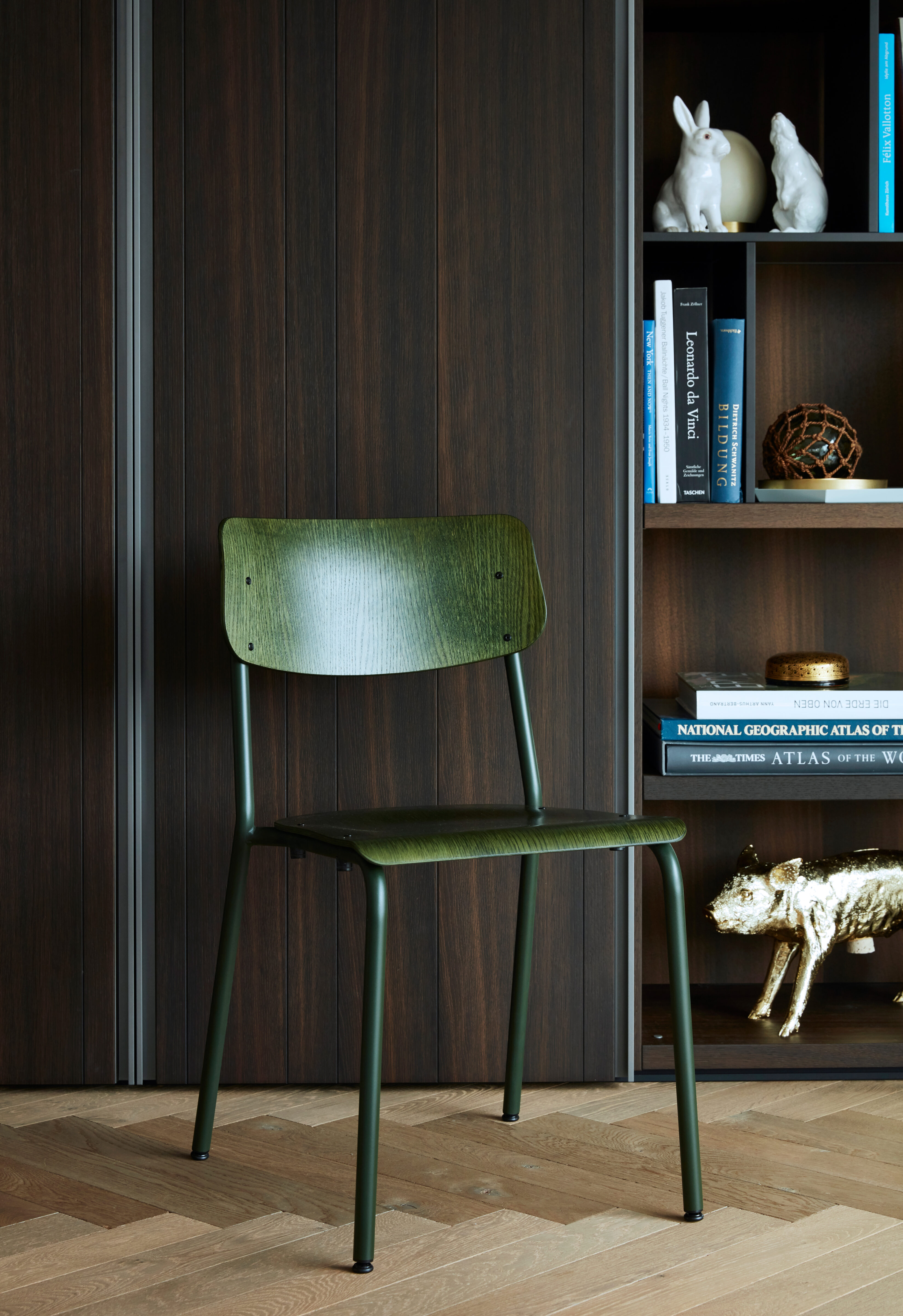
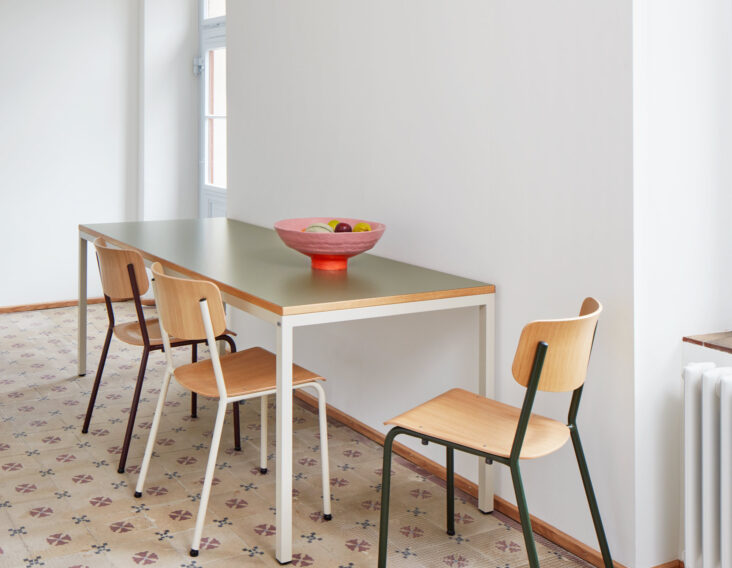
This stackable chair, with its understated design, was designed in 1934 by the architect Gustav Hassenpflug, a former Bauhaus student. It has been produced continuously by Embru ever since.

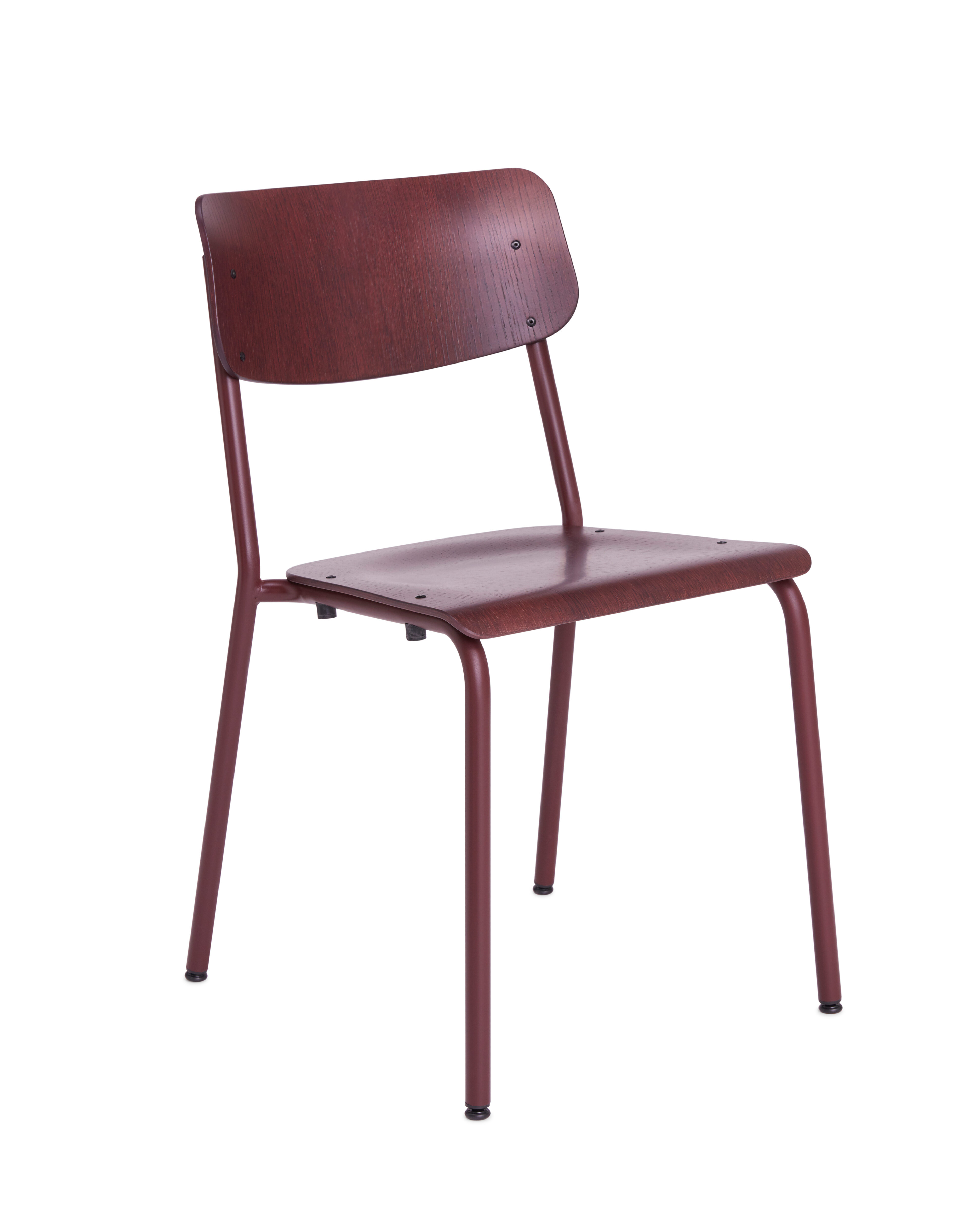
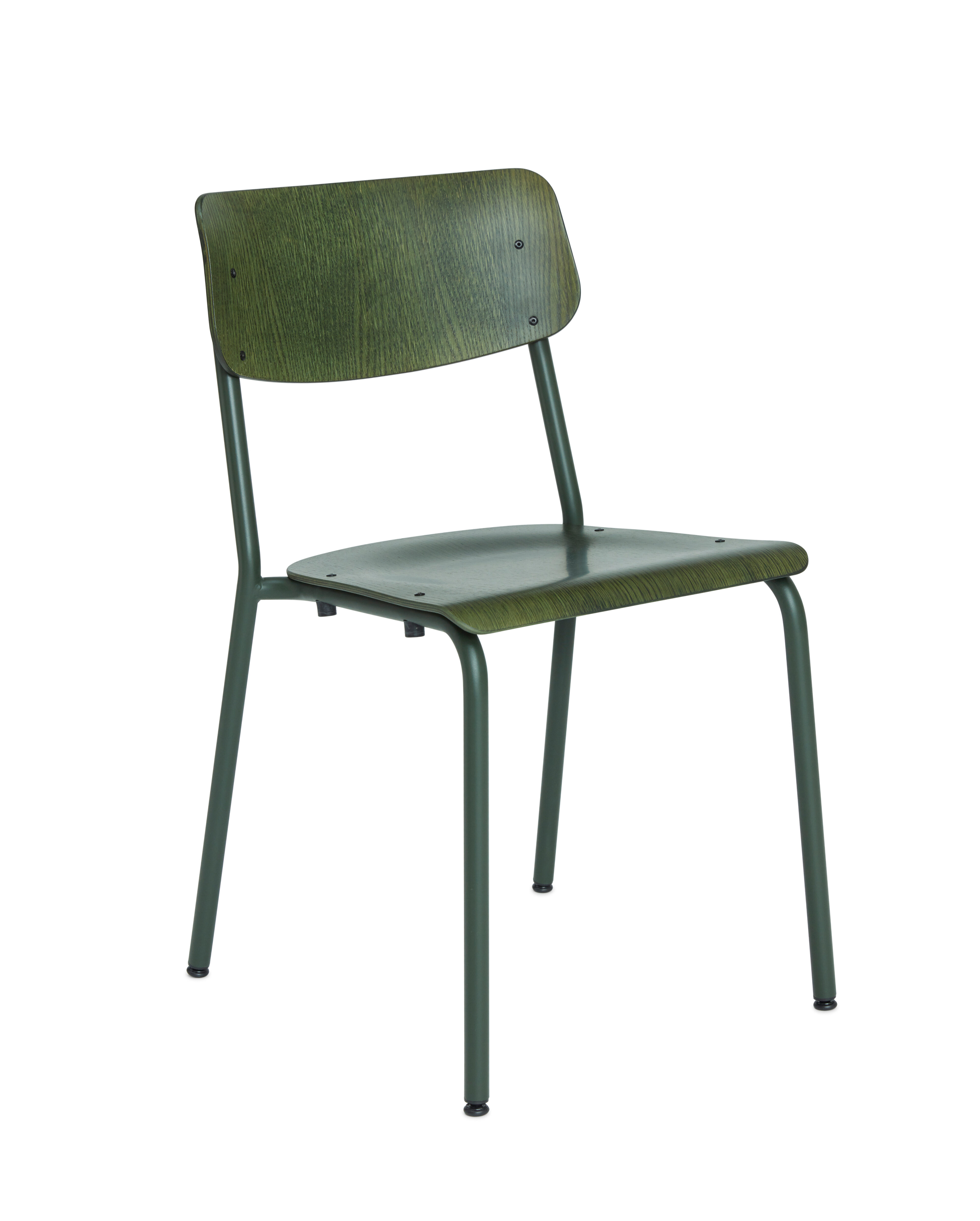
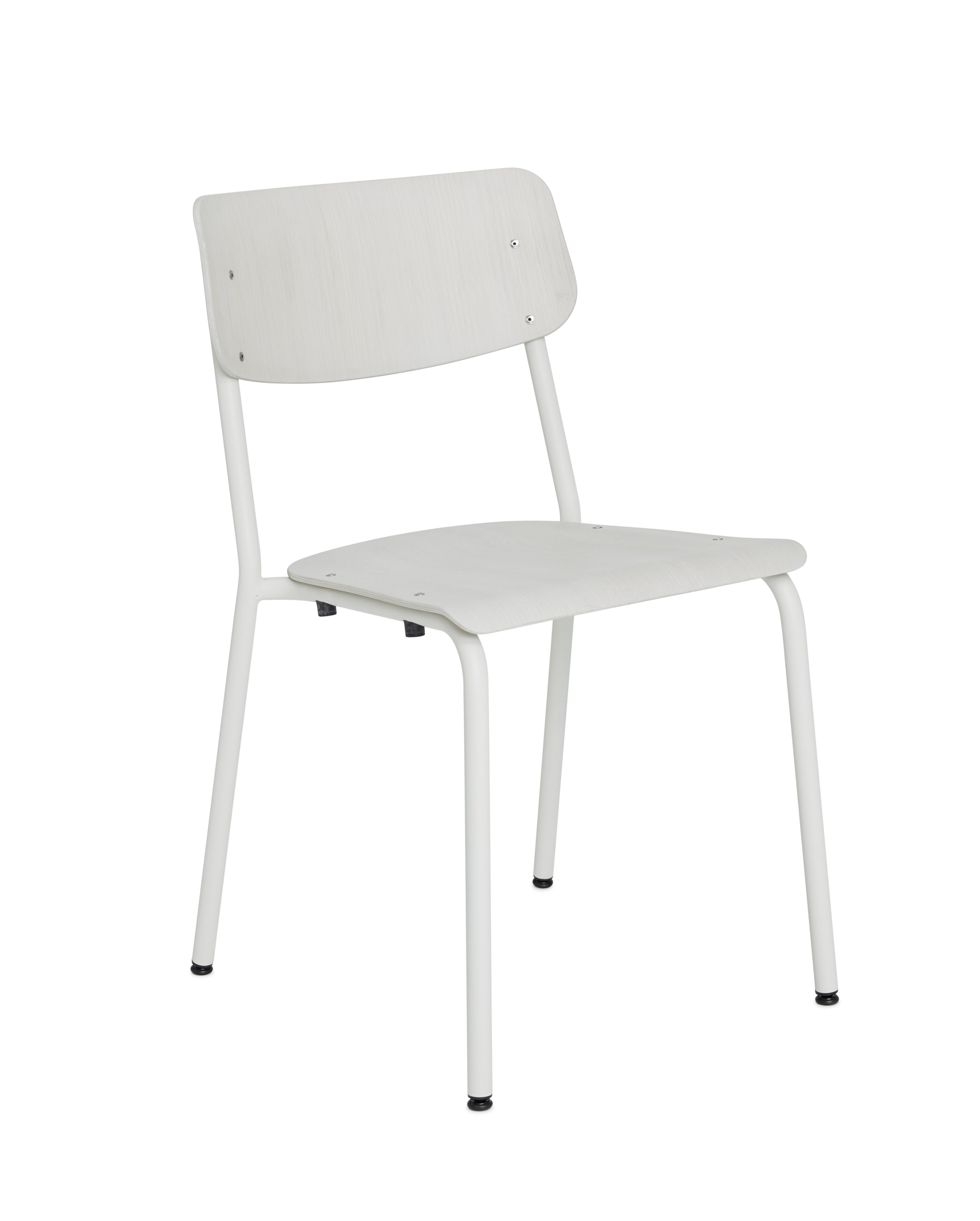
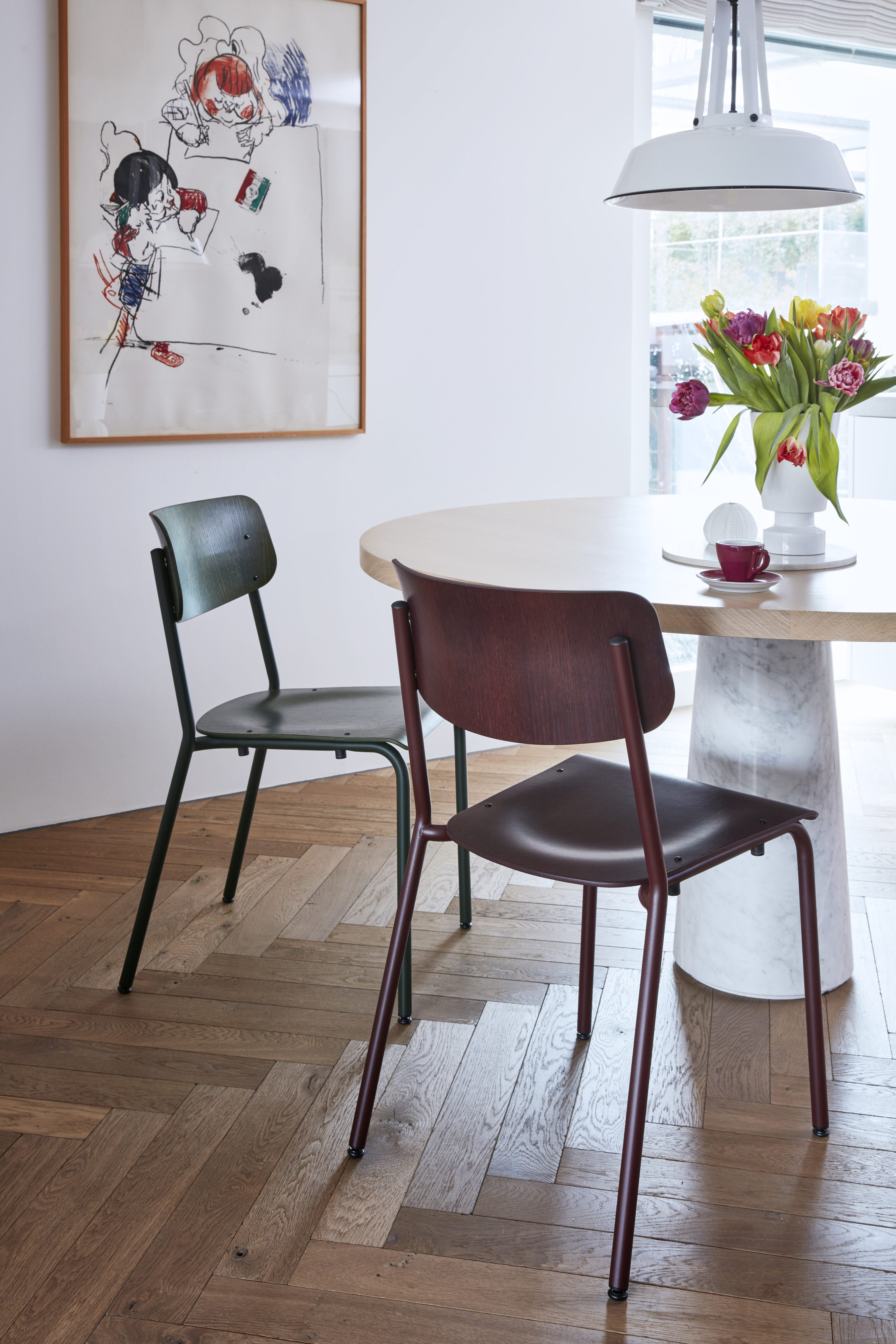
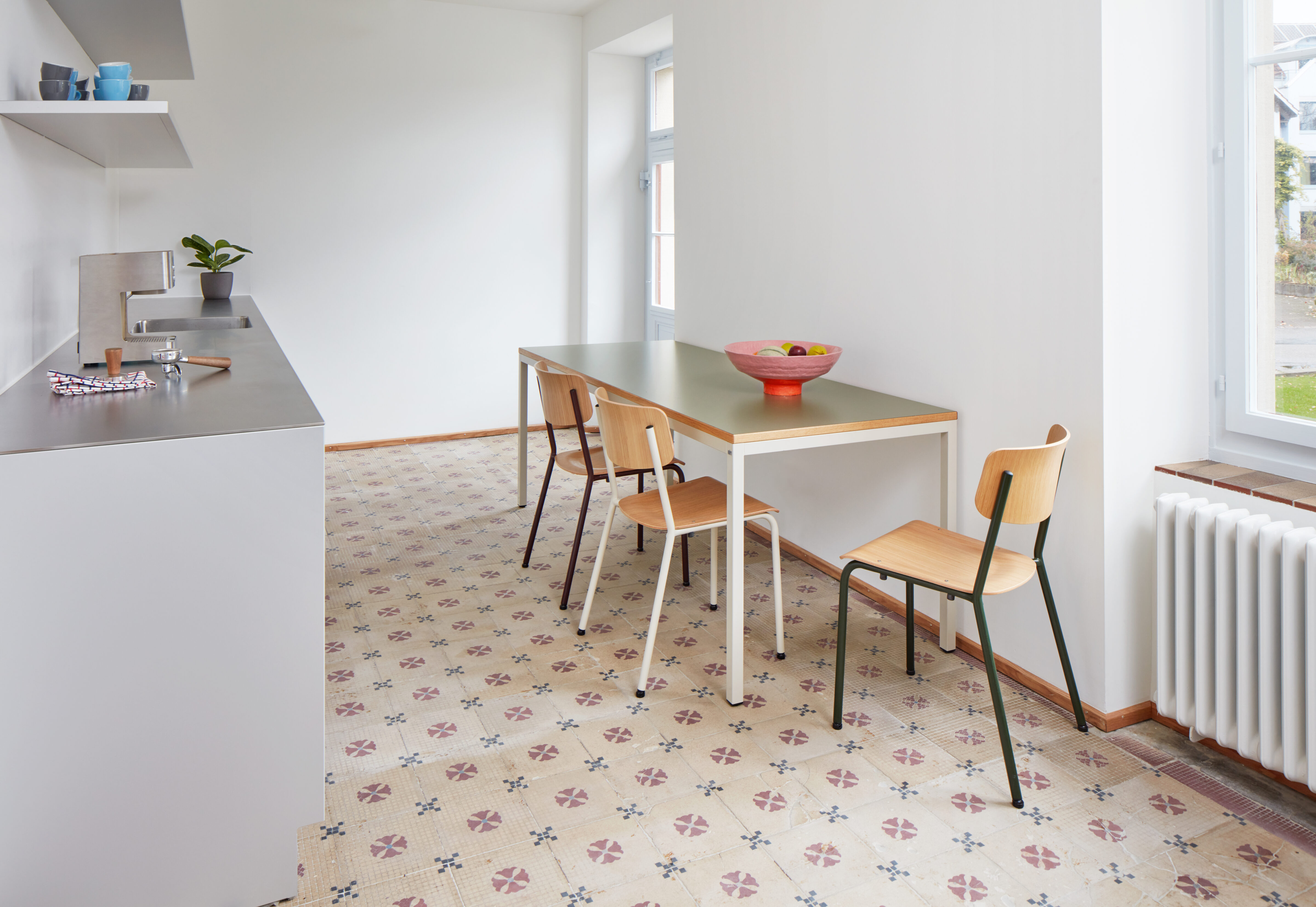
The chrome-plated or powder-coated tubular steel frame can be combined as desired with a seat and backrest made of wood in natural beech, black-stained beech or natural oak. Furthermore, as part of the Bauhaus Edition, the frame and wooden parts are available in black-red, bottle green and sand grey. The slightly recessed seat and the concave backrest ensure a high level of seating comfort.

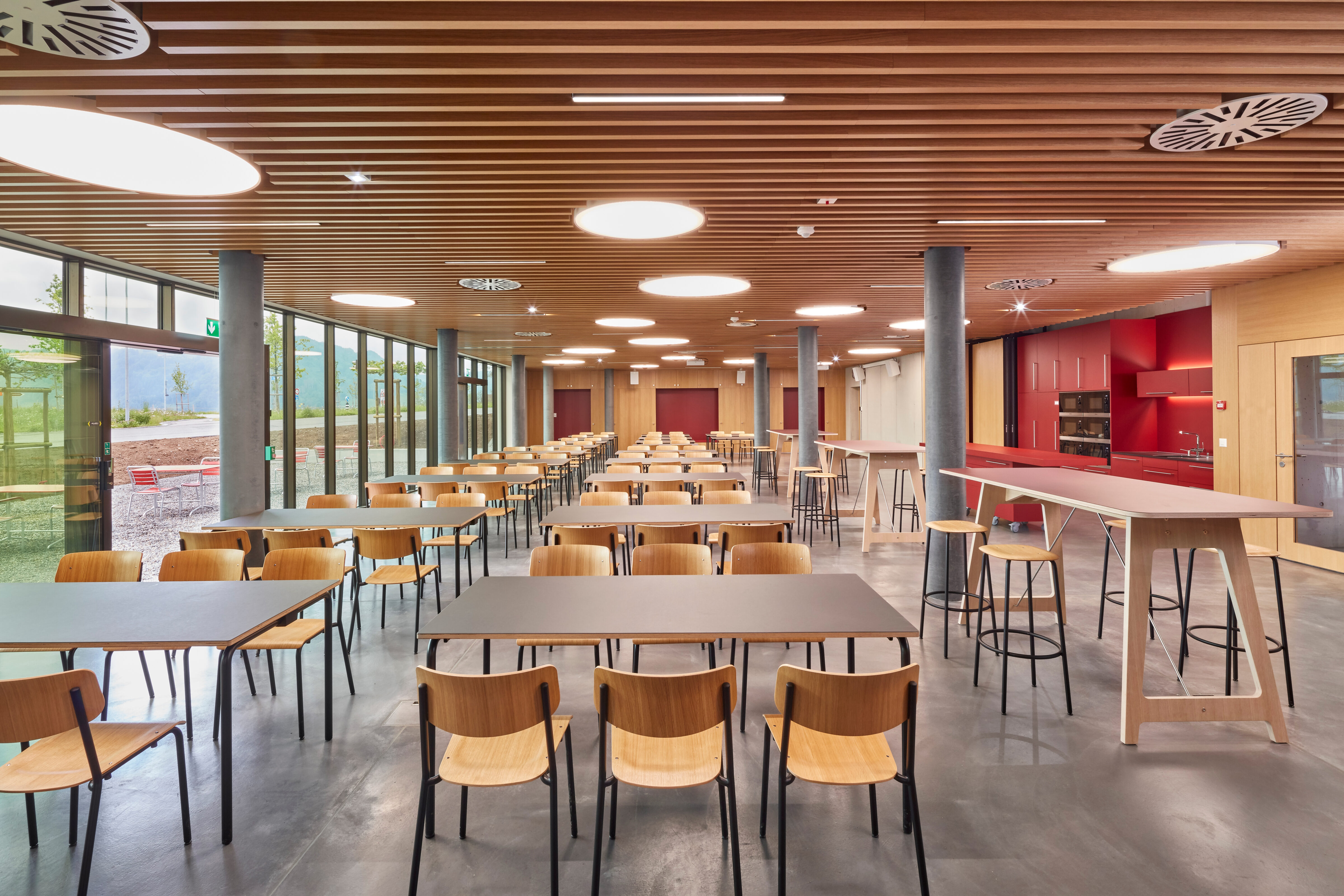
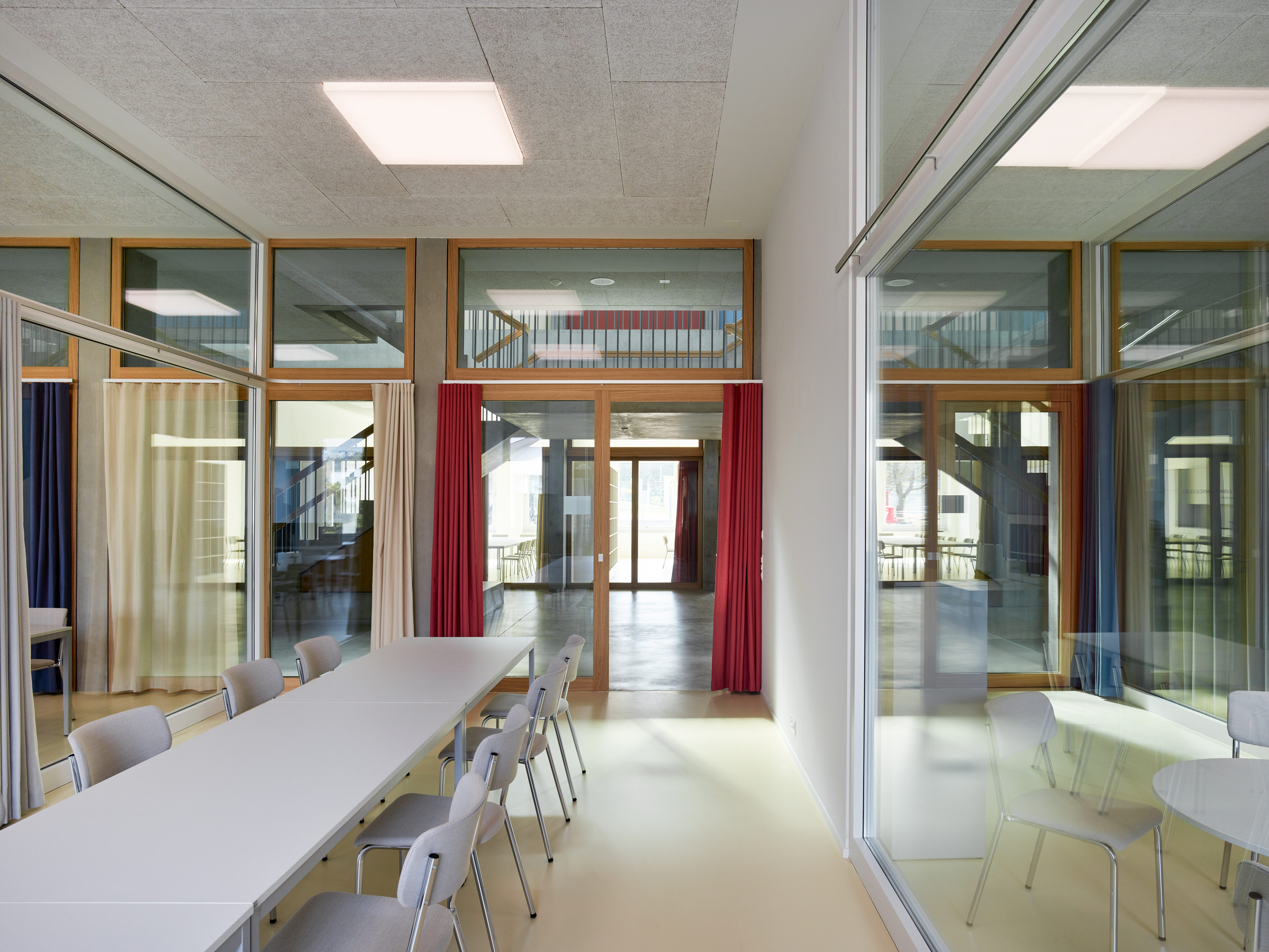
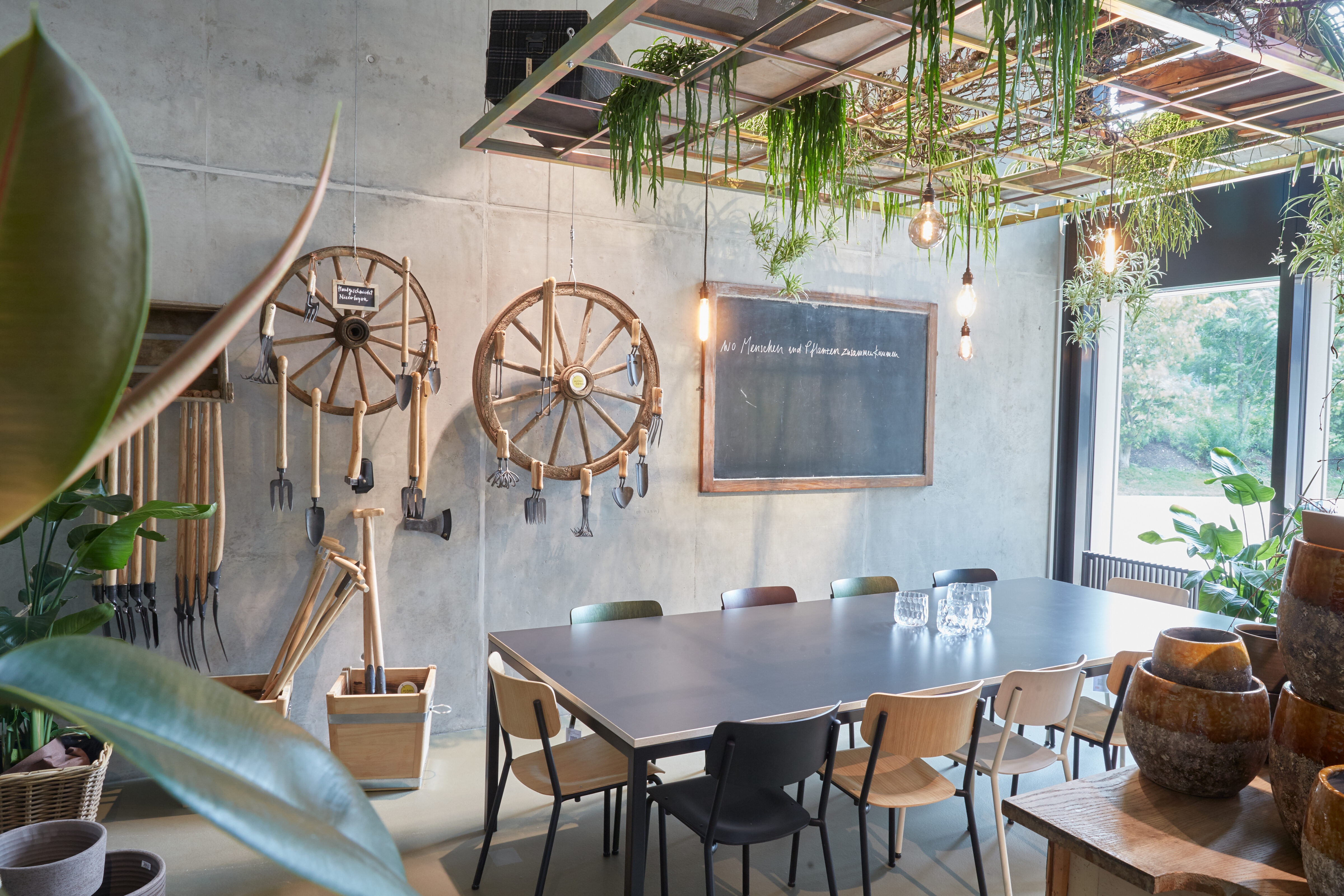
The Hassenpflug chair is highly versatile and is equally impressive in both domestic and commercial settings.
  • Frame: high-gloss chrome-plated or powder-coated
  • Stackable up to 10 pieces
  • Feet: plastic/felt/metal/PVC
  • Seat/backrest: moulded plywood, beech or oak veneer, with a natural varnish finish or coloured stain
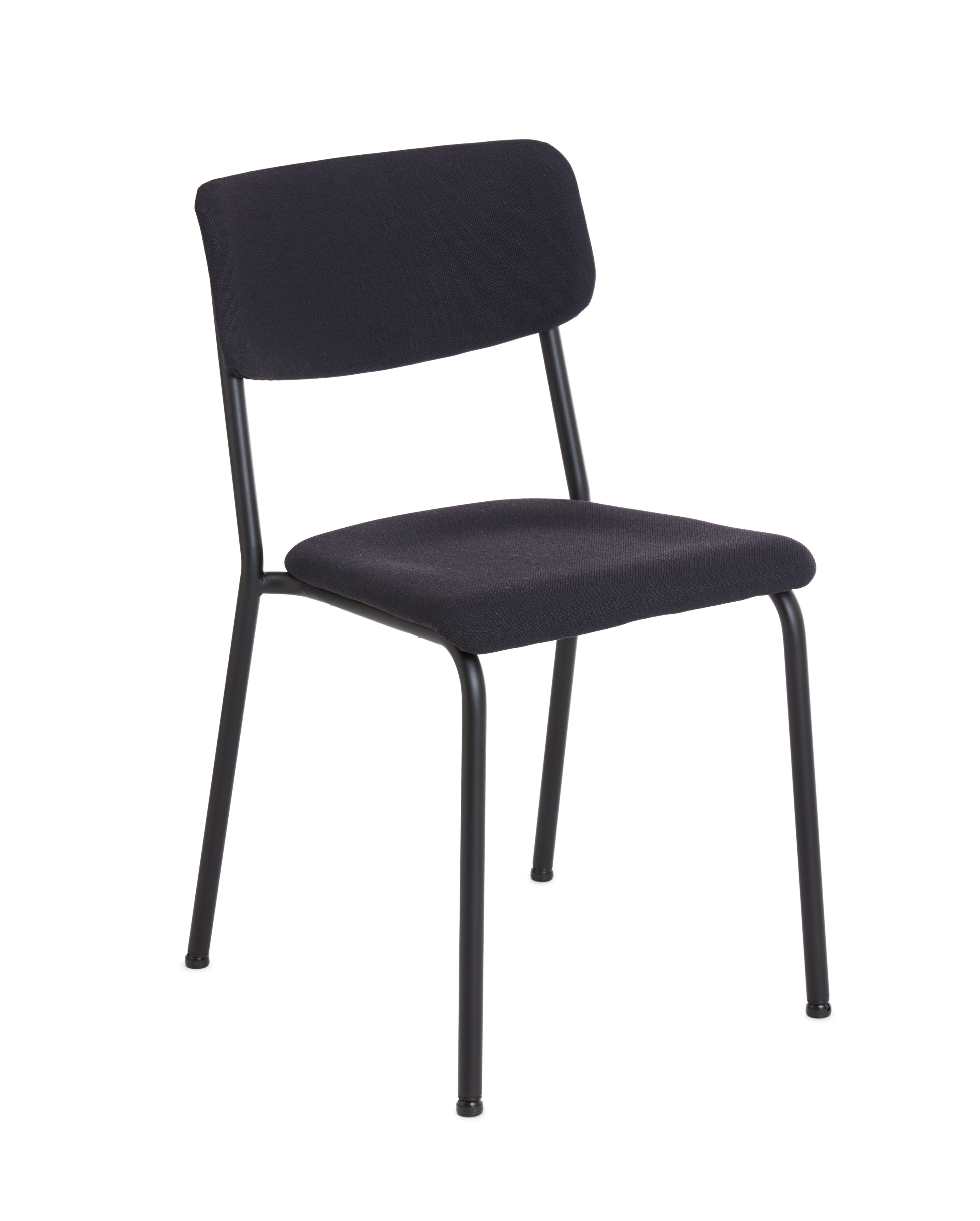
  • Optionally available with an upholstered seat or seat and backrest
  • Optionally available with row connectors
Show more

Specifications

Dimensionen
Dimensionen
W 46 cm
D 53 cm
H 79 cm
Seat height 45 cm
Stapelbar
Stapelbar
up to 10 items
Schweiz
Schweizer Produkt
Designed, developed and manufactured in Switzerland

Inspiration

3D configurator

Surfaces

Frame
glanzverchromt
Stahlrohr
Basaltschwarz
Softtouch Trend 09
Schwarzrot
RAL 3007
Flaschengrün
RAL 6007
Sandgrau
NCS S 2005-Y20R
Wooden parts
Buche schwarz gebeizt
Multiplex
Eiche naturlackiert
Furnier
Eiche schwarzrot
Formsperrholz furniert
Eiche flaschengrün
Formsperrholz furniert
Eiche sandgrau
Formsperrholz furniert
Seat cushion cover
Kvadrat
Kollektion Steelcut Trio 3

Colours and finishes may differ from those shown in the illustrations and are not binding. Please contact us for physical colour samples.

Downloads

Go to the planning section

Related products

Gustav Hassenpflug

1907–1977

Gustav Hassenpflug

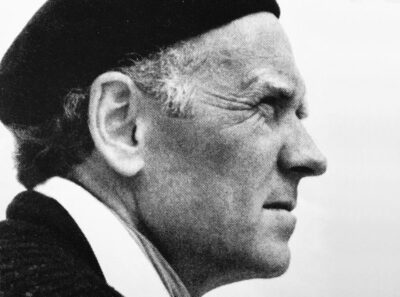
Gustav Hassenpflug was a German architect from Düsseldorf who studied at the Bauhaus in Dessau. He worked in partnership with Marcel Breuer in Berlin and later in the USSR. In 1934, at the age of 27, he moved to Switzerland and took up a post as technical director at Embru for six months. For the period that followed, up until 1939, he worked for Embru on a consultancy basis from time to time. At Hassenpflug’s suggestion, Embru developed the first height-adjustable school desks and chairs around 1934. By separating the chair from the table – unlike the fixed school desks common at the time – it became possible for the first time to put findings from occupational physiology into practice. This meant that children could be offered a workspace that could be individually adjusted.

Embru’s product range is organised according to a numerical system based on a four-digit code. When a product is added to the range, it is assigned its own unique number, which allows it to be reliably identified. This system was introduced in 1934 by Gustav Hassenpflug and has proved its worth to this day.


Find out more

Show more
Contact + downloads