History

Since 1904, Rüti has been producing furniture in both large and small batches for the private and public sectors. The company designs and manufactures furniture for the school, office, residential and care sectors. It provides comprehensive solutions, from design through to manufacture, fitting and furnishing.

Company foundation

On 1 January 1904, a new company was entered in the commercial register in Rüti/ZH: Eisen- und Metallbettenfabrik Rueti AG.

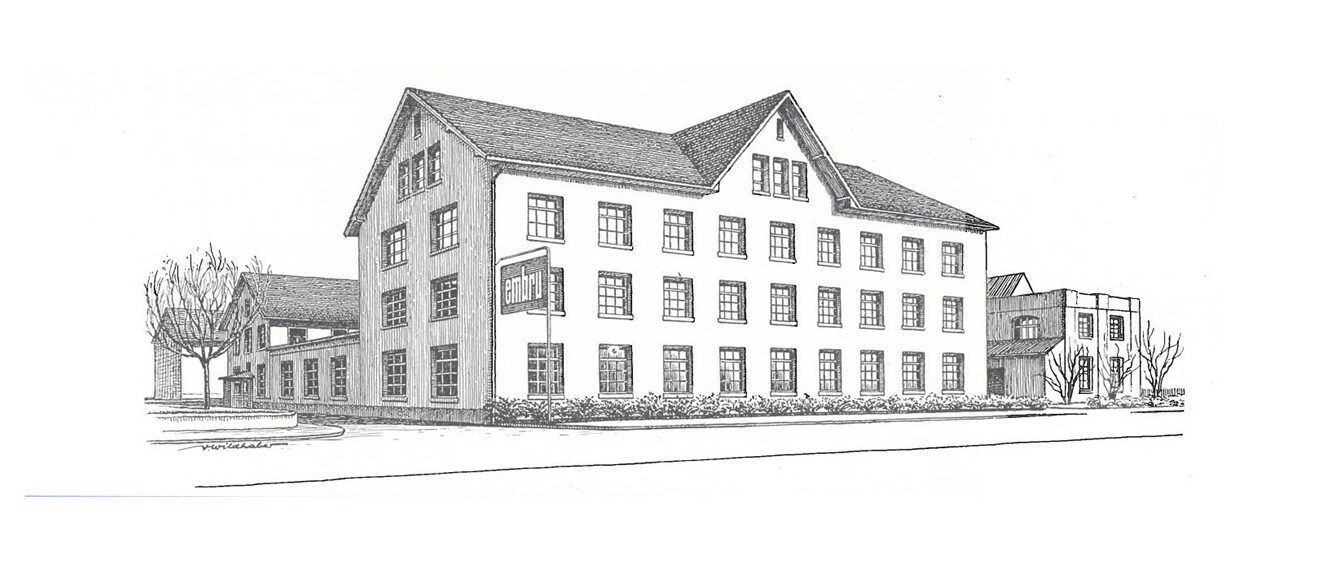
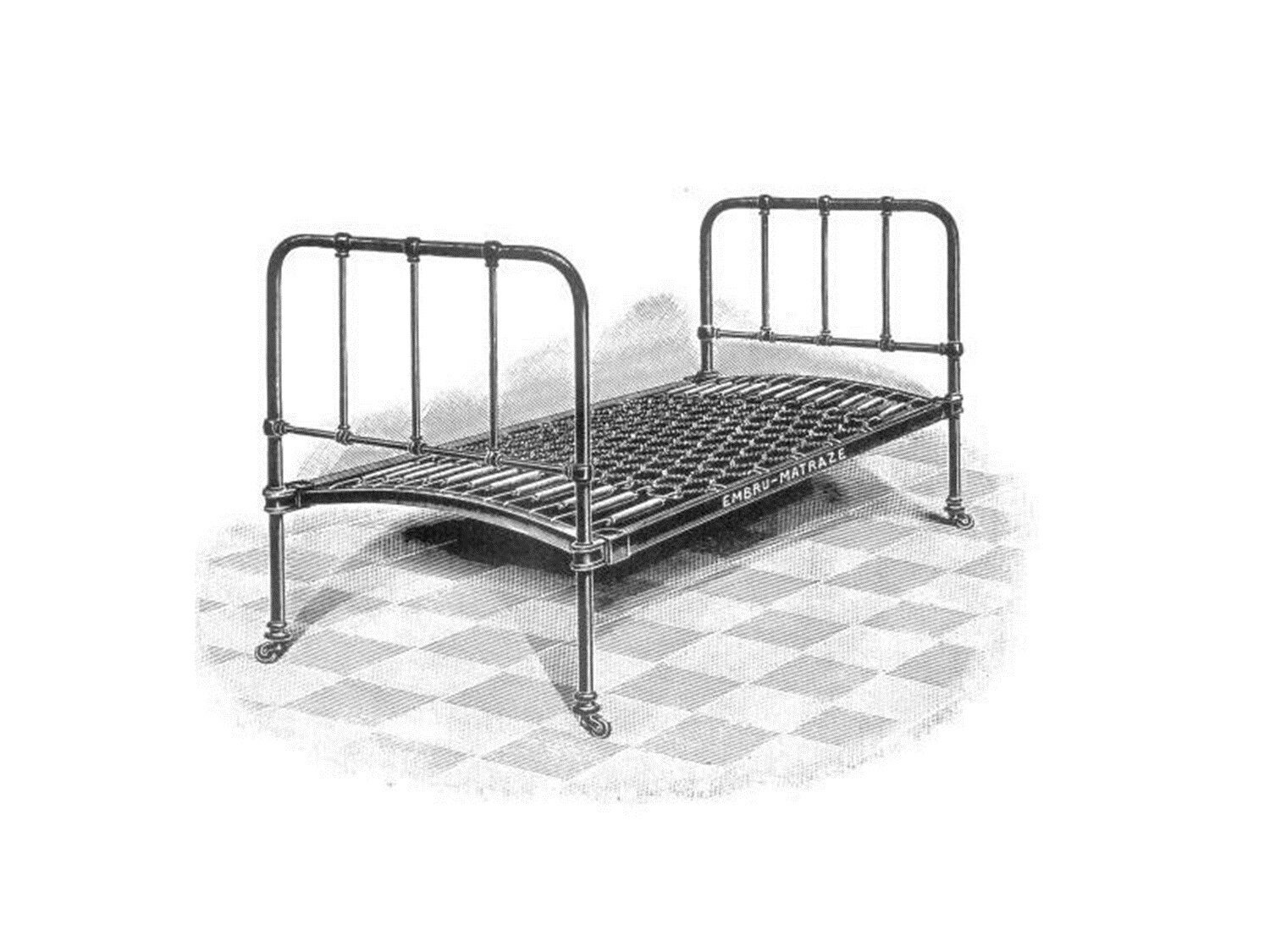
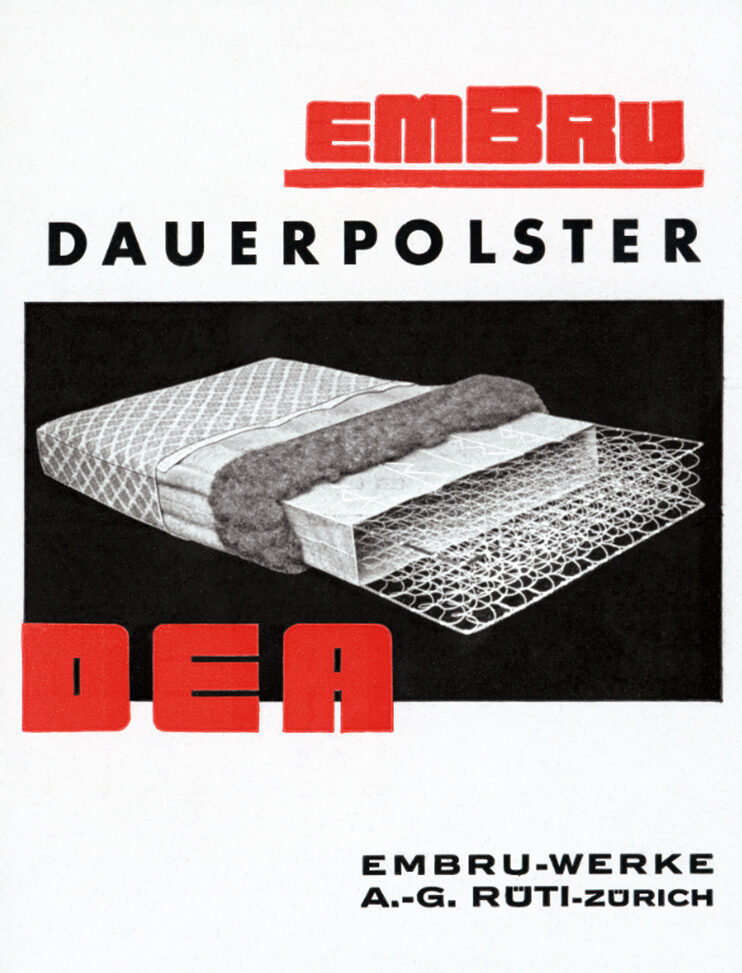
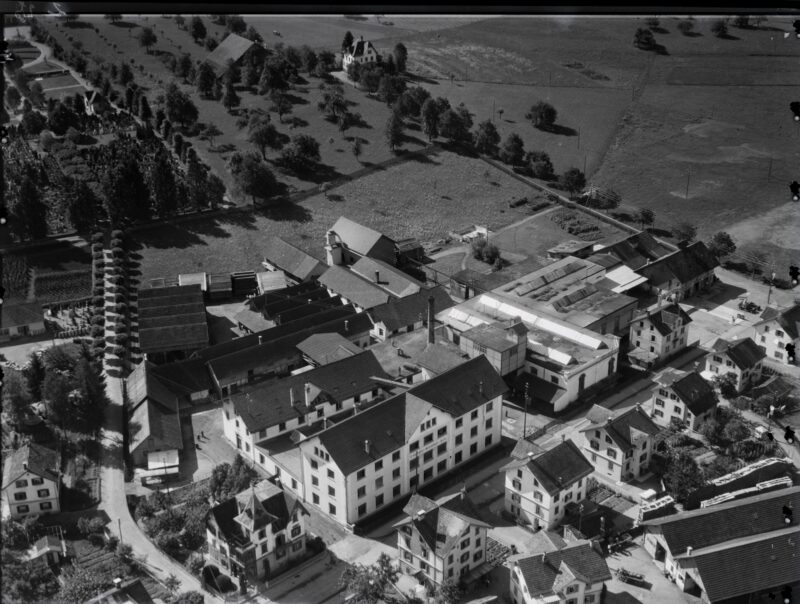
The company’s foundation was preceded by a history characterised by a pioneering spirit: as early as 1873, Rudolf Hess-Vontobel acquired the so-called ‘Pilgersteg’, a water-powered workshop for the manufacture of ironware. His son Hermann then began manufacturing steel-wire mattresses and iron beds in 1895. In doing so, he entered a field that was still untapped in Switzerland. The beds produced at the Pilgersteg plant for private customers, hotels and hospitals proved a success, leading to the inaugural general meeting of ‘Eisen und Metallbettenfabrik AG, Rüti’ and, as mentioned, to the corresponding entry in the Commercial Register on the following New Year’s Day. ‘Embru-Werke AG’ then became the official company name from 1912 onwards.

1914–1930 The First World War and the post-war period

These encouraging developments were, however, overshadowed by the unexpected outbreak of the First World War. Yet, thanks to the high demand for hospital and Red Cross beds, Embru was able to stay afloat during the war and in the immediate aftermath. The war was followed by the Great Depression of the 1920s. Embru responded by diversifying its product range. The company archives contain numerous examples of this: doormats, drain covers and cisterns made of cast iron, car seats and garden bench legs – there were virtually no limits to the variety of products: this ultimately culminated in a black pudding filling machine.

1930–1939 Classical Modernism

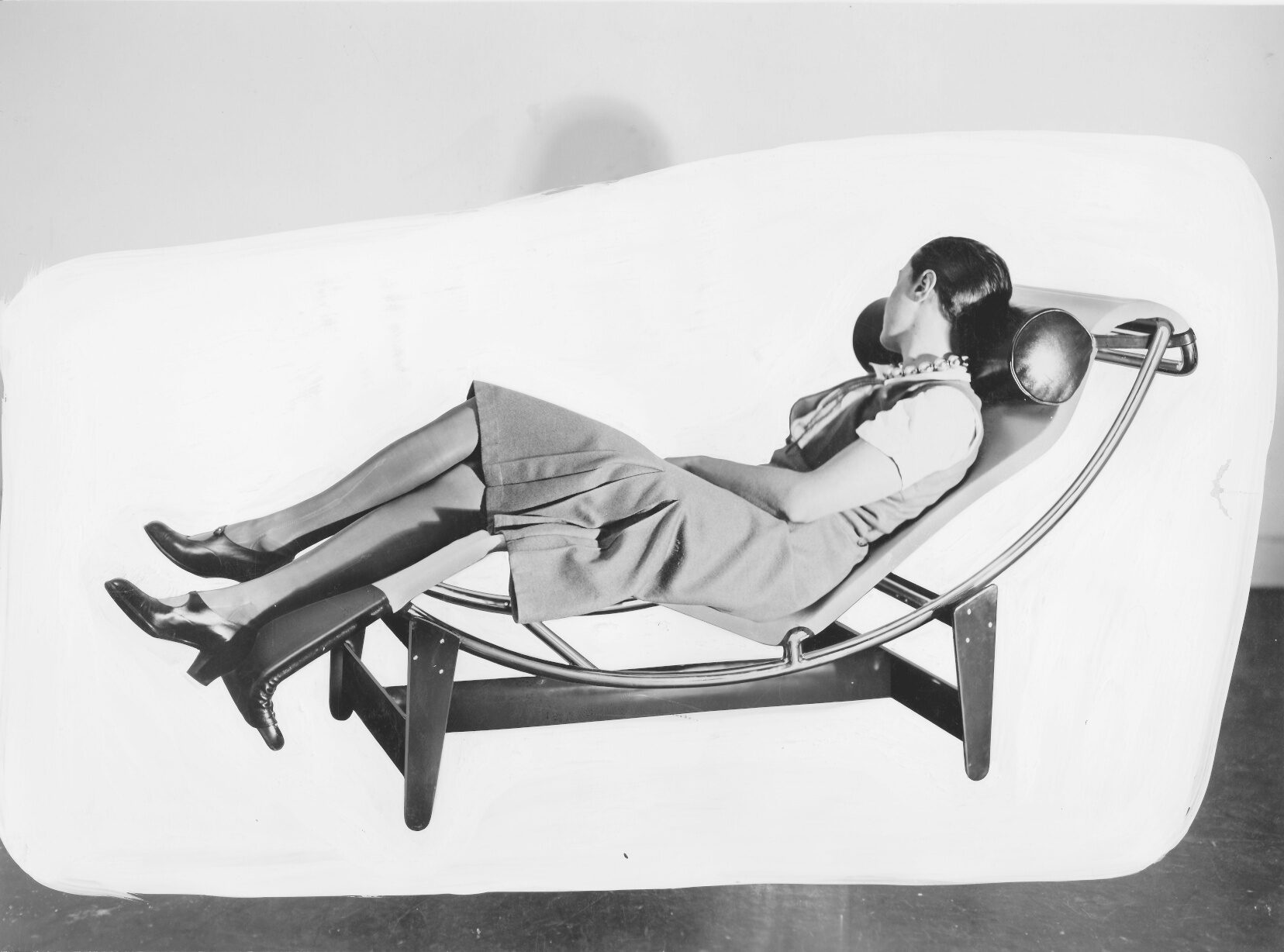
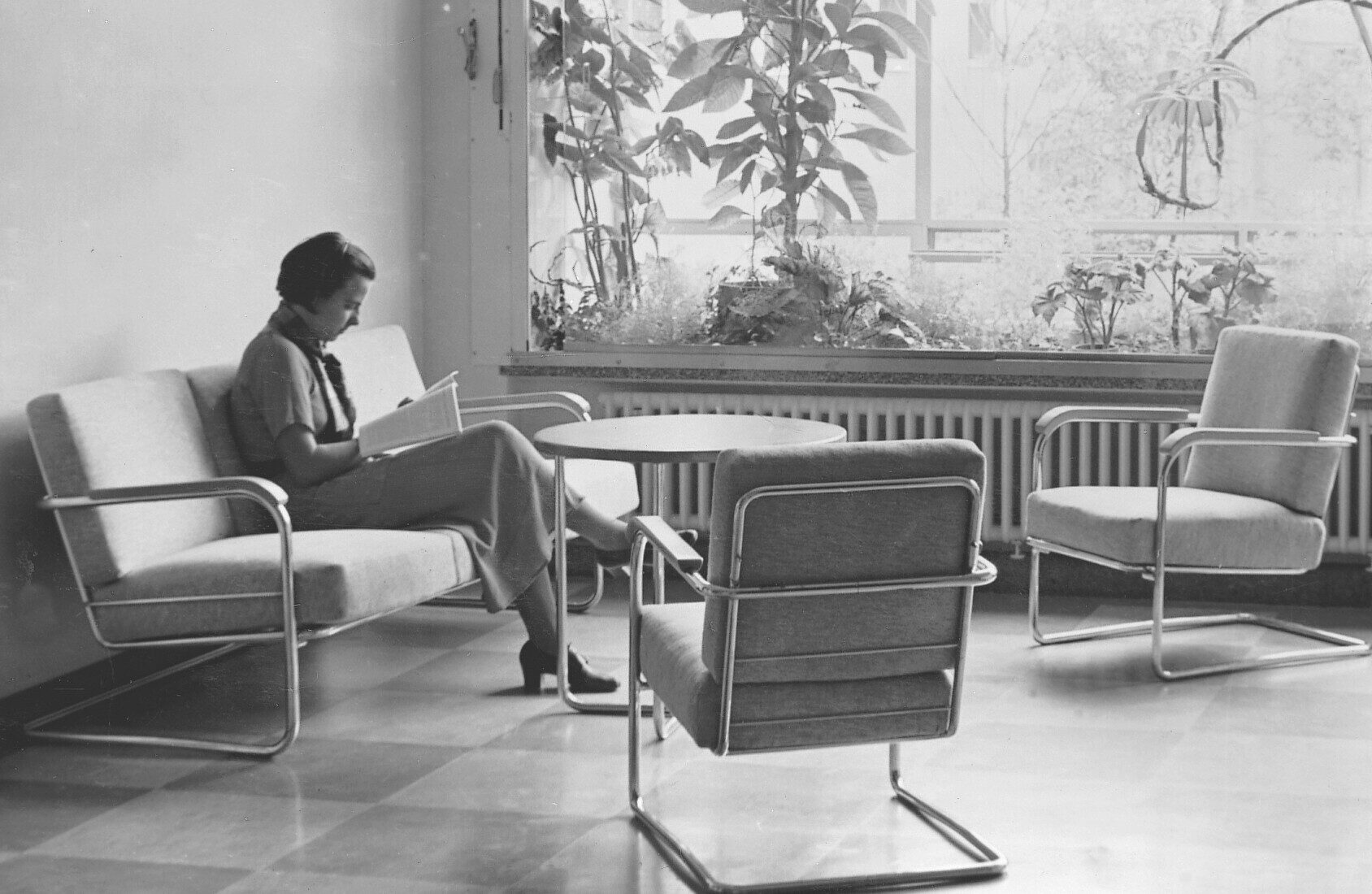
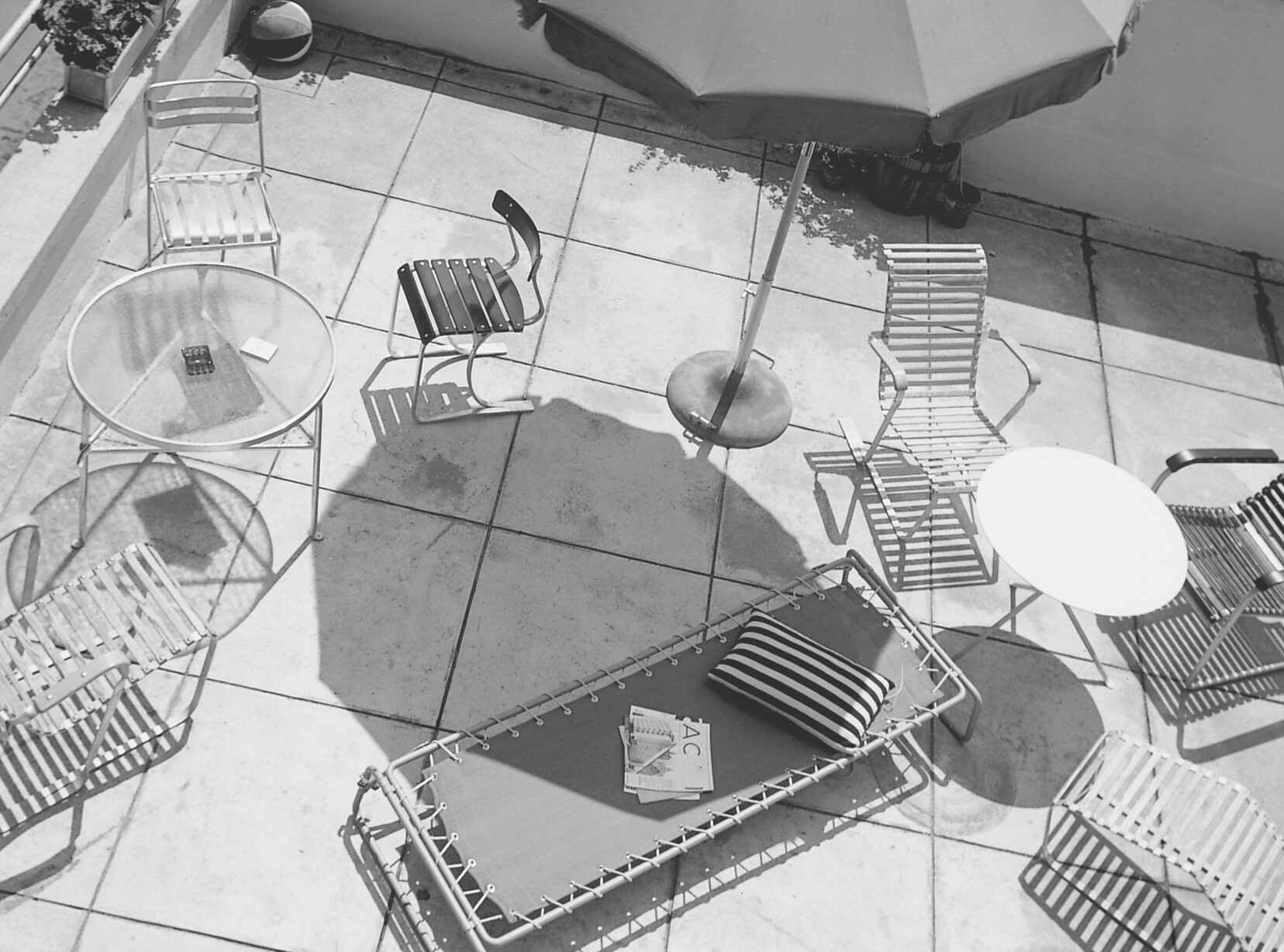
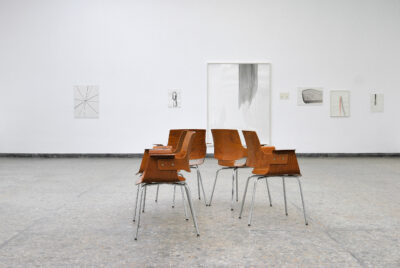
Another crisis management strategy, through which Embru once again demonstrated its pioneering spirit, was its collaboration with architects of the ‘Neues Bauen’ movement. A collaboration which – to state the matter plainly – was not a great commercial success, but through which Embru helped write one of the most significant chapters in the history of Swiss design. From 1930 onwards, this gave rise to a diverse range of standardised furniture. This ranged from cantilever chairs in various designs, through tables, to Swiss style icons such as Alfred Altherr’s Landibank or Werner Max Moser’s armchair, and right up to the 2072 lounger, better known as the Le Corbusier lounger. Today, some of these models are being produced again by Embru.

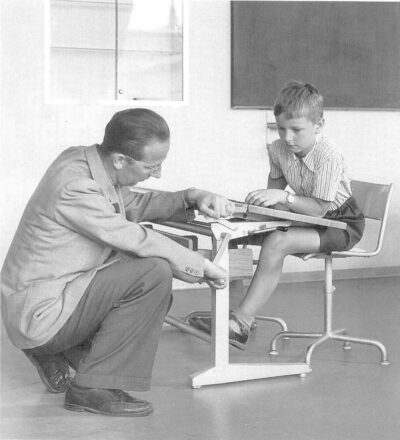
These new ideas were also reflected in a piece of school furniture, the design of which involved a significant contribution from Gustav Hassenpflug, a Bauhaus graduate and colleague of Breuer. By separating the school desk and the school bench – which had previously been firmly joined together – and by making both parts height-adjustable, Embru revolutionised school furniture in 1934.
1939–1945 The Second World War

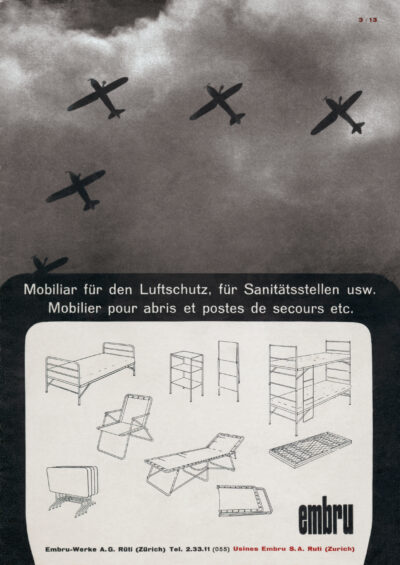
Thanks to its very wide range of products, Embru was able to weather these difficult times. The company also quickly recognised the need for specialised furniture for air-raid shelters and for the army. Consequently, it ventured into the design of specialised, foldable medical stretchers and other means of transport for the army. Vegetables were grown on the factory premises.

1945–1970 Economic recovery and prosperity

After the Second World War, Embru focused on expanding its range of beds, particularly hospital and care beds, as well as further developing school furniture. In 1958, the development progressed from hydraulically height-adjustable hospital beds to electrically adjustable beds, which patients could now operate themselves.

The demand for ergonomic design in schools became particularly important. The challenge here was to find furniture that could adapt to growing children. Embru had already taken the first steps towards finding a solution as early as the 1930s. In the 1950s, tables and chairs that ‘grew’ with the children made their way into schools.

1970–1980 Product range expansion

From 1978 onwards, Embru once again ventured to expand its product range. In collaboration with a consortium of office furniture retailers, the company launched a completely new office desk system for what was then known as SKA, thereby responding to a fundamental shift in office design.

The furniture system, which Embru developed to meet the demands of the digital workplace, became the most successful range of the 1980s under the name Ergodata. In 1988, it was gradually replaced by the equally successful ‘TakeOff’ modular system.

The last two decades of the 20th century

The last two decades of the twentieth century were a time of new beginnings for Embru. By renting out care beds through its new Vital division, Embru responded to changing needs in the field of nursing care. Thanks to the acquisition of a blackboard factory, it was now possible to offer schools a complete range of school furniture. Embru also makes its extensive knowledge and high level of manufacturing expertise available to other companies.

2000–2010 The turn of the millennium

Embru responded to these new challenges with a forward-looking range of office furniture called ‘eQ’, which meets all the demands of a rapidly changing world of work. It is the first modular furniture system that can be assembled without tools.

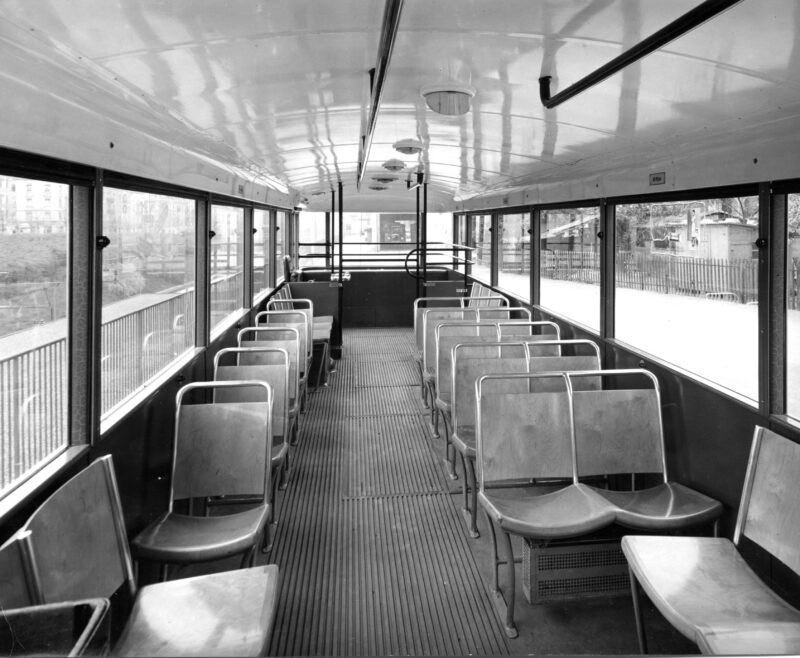
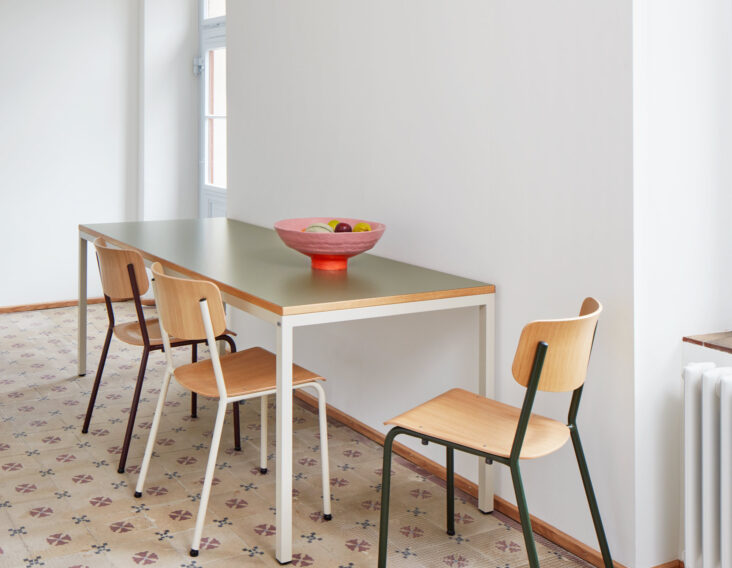
In its anniversary year, 2004, Embru presents itself as a modern family-run business that has firmly established itself in its three main areas: hospital and care beds, school and lecture theatre furnishings, and office furniture. The company has been ISO 9001 certified for over ten years. The link to the company’s hundred-year history is evident in the development of the Marchand Chair, whose design references the tram benches manufactured in the past.

2010–2021 Digitalisation

Thanks to its efficient and highly modern production methods, Embru can look to the future with optimism. In early 2010, the new powder coating plant, complete with pre-treatment and curing oven, was commissioned. At just under CHF 3.5 million, this is the largest investment in a production facility in Embru’s history. In addition to the TruLaser laser cutting system for flexible tube and profile processing, we also have the latest generation of a Trumpf punching and laser centre for sheet metal processing. Since 2015, we have also been using a laser edge-banding machine for woodworking.

Since 2019, Embru has held not only the ISO 9001:2015 quality management certificate and the ISO 14001:2015 environmental management certificate, but also the ISO 45001:2018 occupational health and safety management certificate.

Ongoing digitalisation is transforming all procedures and processes, including those at Embru. This enables greater flexibility for the benefit of our customers.

Contact + downloads