Made
in Rüti

Kienzle Shelving

An Embru classic with timeless aesthetics

Information

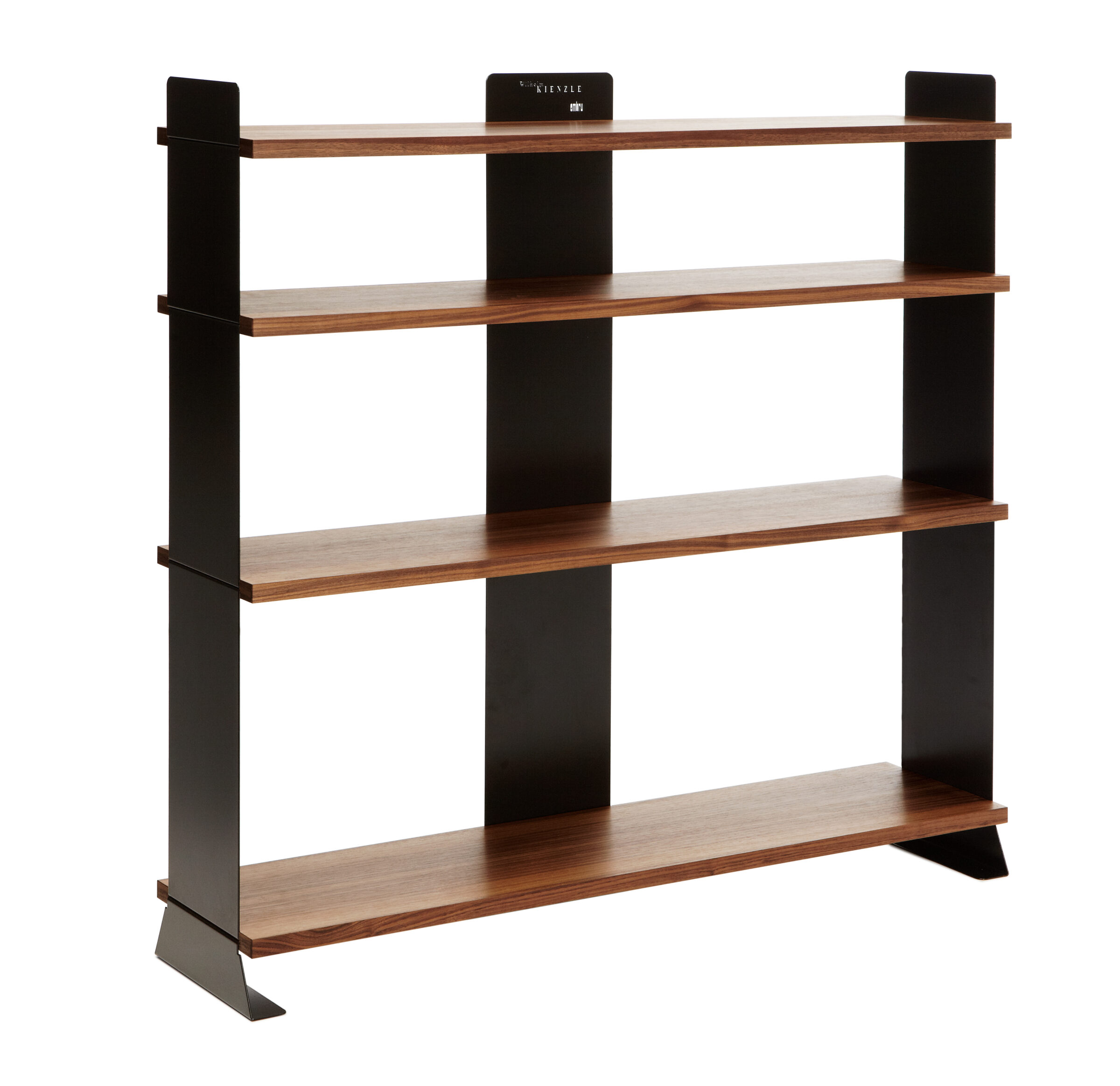
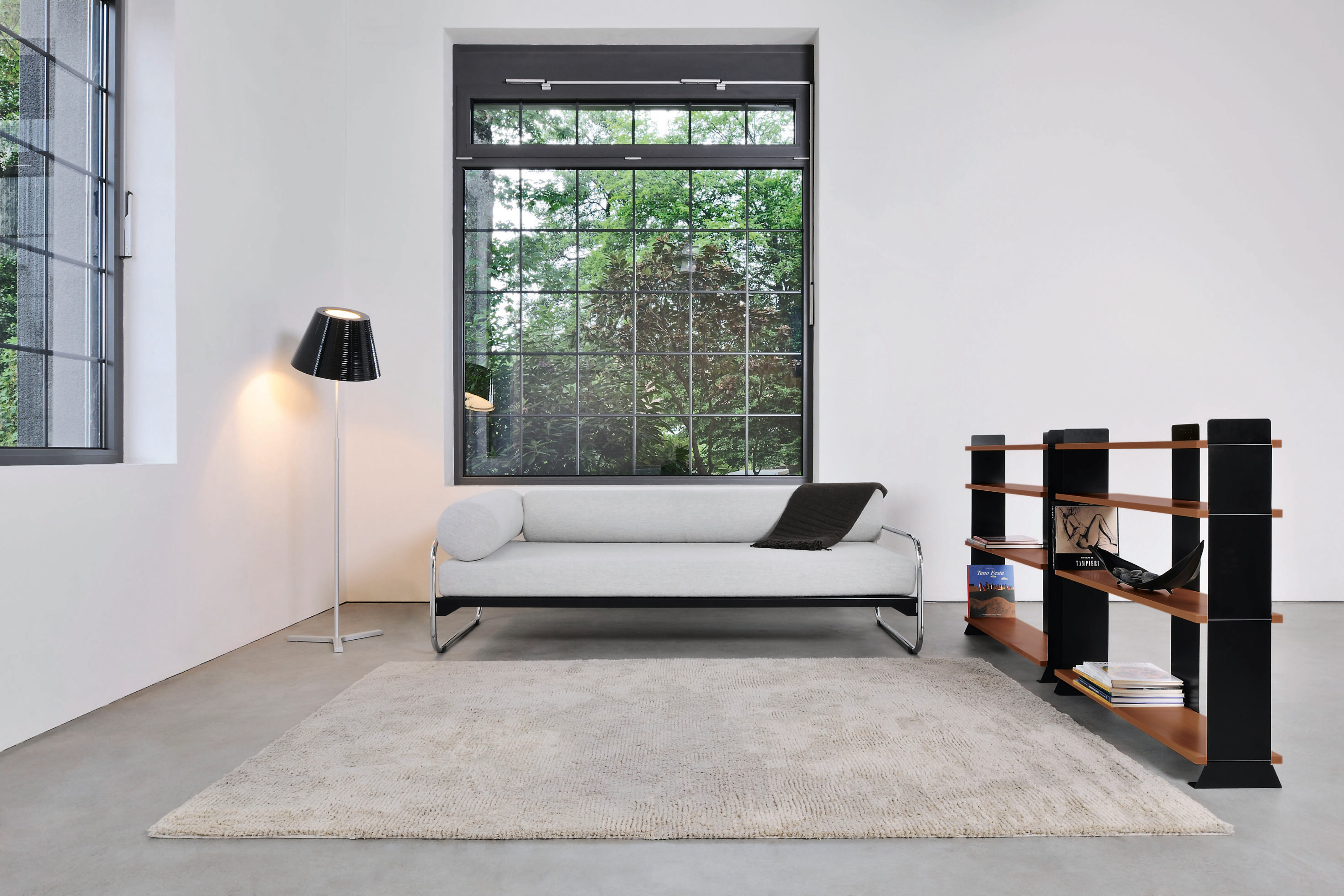
Looking back, Wilhelm Kienzle’s modular shelving unit can now be regarded as one of the most popular pieces of furniture from the era of Swiss Modernism.

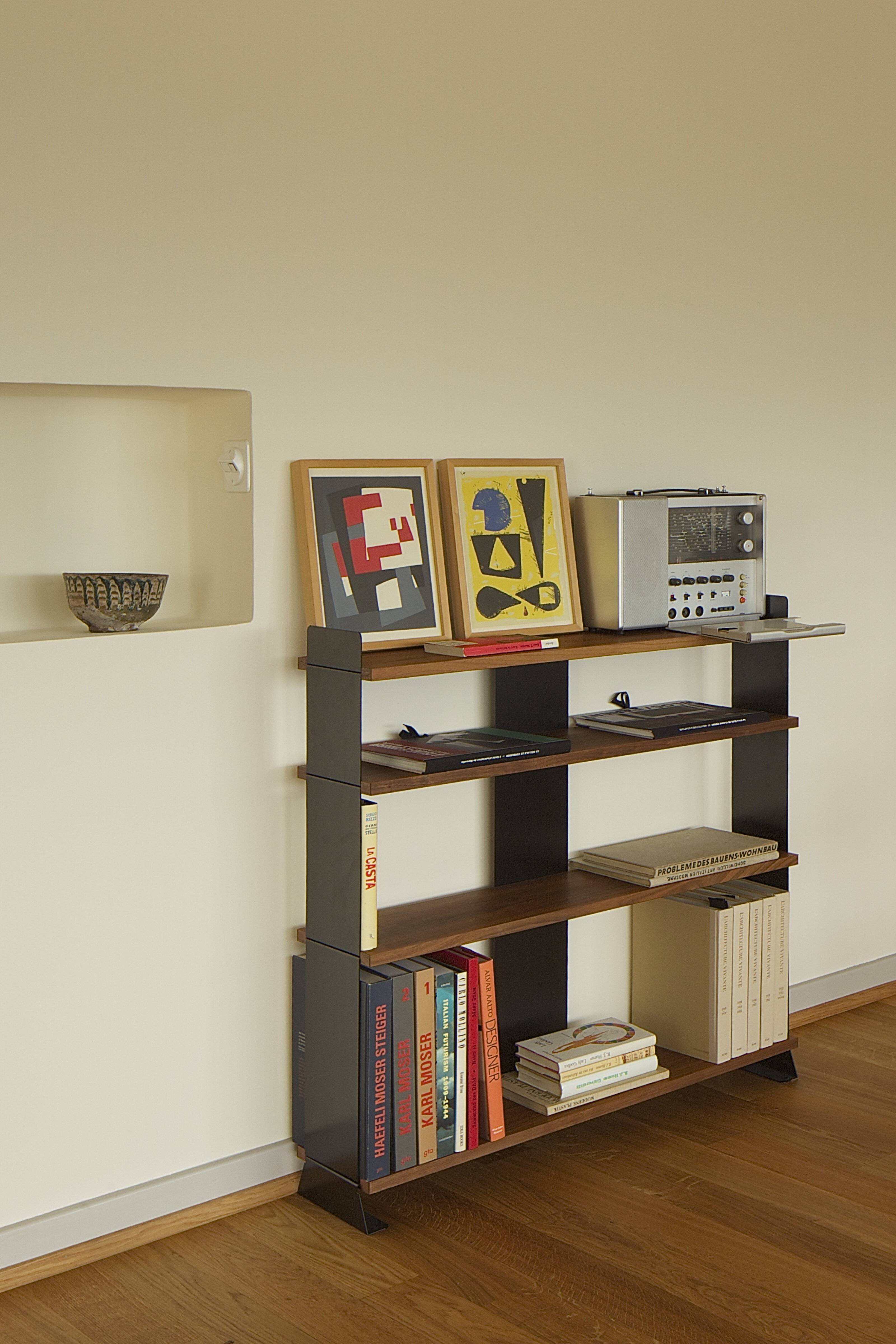
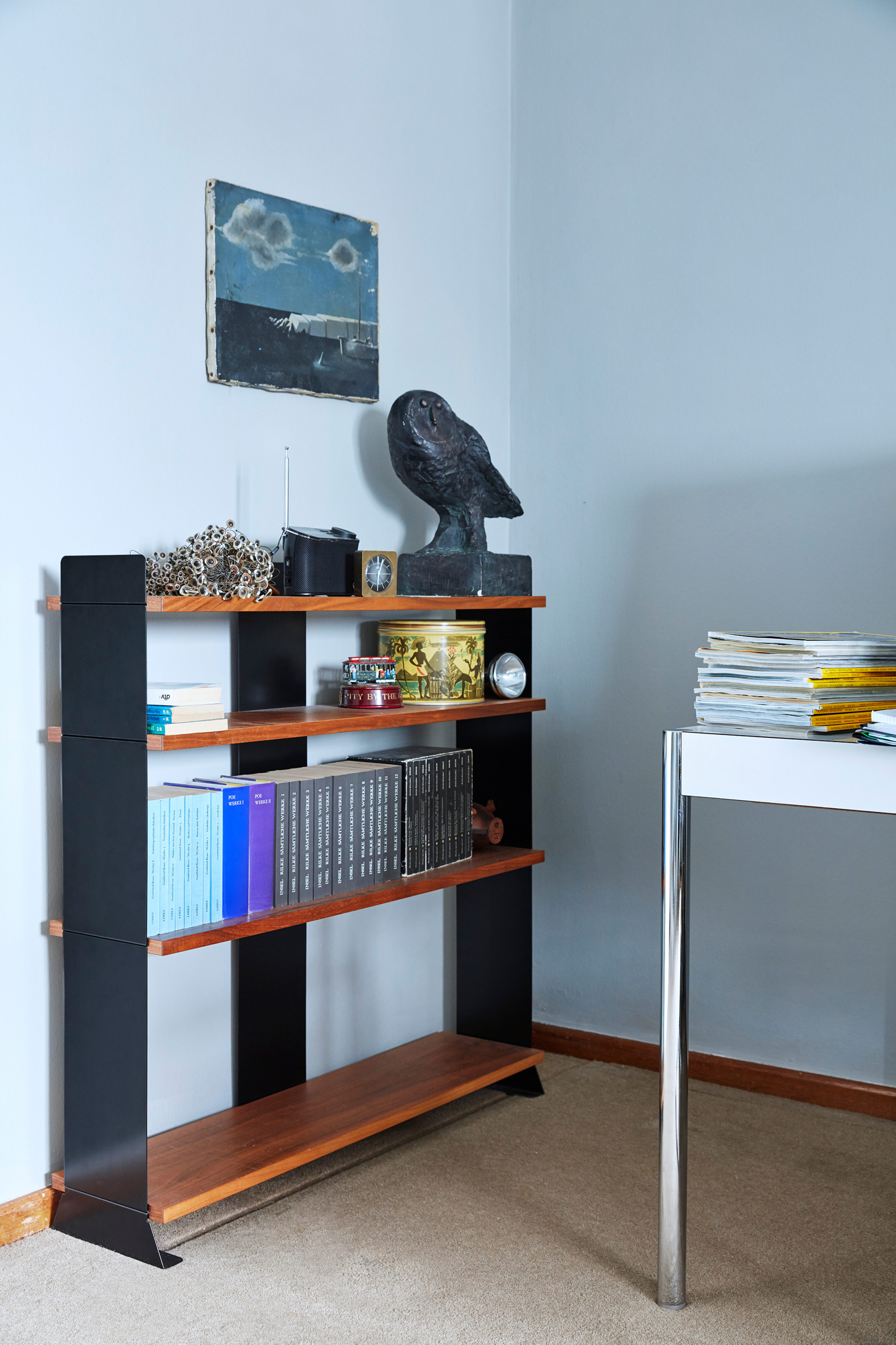
It is virtually unrivalled in its efficiency in terms of material use and space requirements. The practical and aesthetic advantages of this design are particularly evident when the units are arranged in a row: when placed side by side, the side shelf supports are almost invisible, emphasising the horizontal line. Additional shelf levels can be stacked on top of one another and adapted to suit individual needs through freely selectable combinations of compartments of varying heights. The shelves are slotted together and can therefore be assembled without screws.

  • Support elements: powder-coated sheet steel
  • Shelves: American walnut veneer, oiled
  • Shelf edges: solid American walnut, oiled
Show more
Embru kienzle regal nussbaum

Specifications

Schweiz
Schweizer Produkt
Designed, developed and manufactured in Switzerland
Dimensionen
Dimensionen
W 92 cm
D 22 cm
H 92 cm
Spezifikationen klappbar
Klappbar
Can be dismantled into individual parts

Inspiration

3D configurator

Finishes

Shelves
Amerikanischer Nussbaum naturlackiert
Holz massiv
Frame
Tiefschwarz
Stahlrohr pulverbeschichtet

The colours and finishes shown may differ from the illustrations and are not binding. Please contact us for physical colour samples. Further colours are available on request.

Downloads

Go to the planning section

Related products

Wilhelm Kienzle

1886–1958

Wilhelm Kienzle

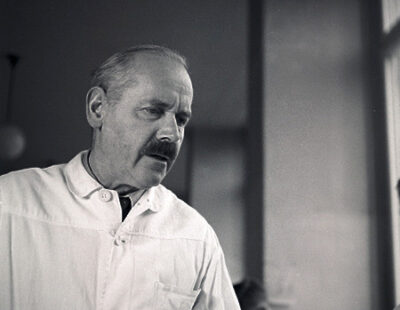
The Swiss designer Wilhelm Kienzle was born in Basel, where he also completed his training as a joiner, furniture designer and, later, an ornamental metalworker. After spending several years in Munich and Berlin, he returned to Switzerland in 1916. From 1918 onwards, he headed the interior design class at the Zurich School of Applied Arts until his retirement in 1951.

As a furniture designer, Kienzle was extremely versatile; he created everyday objects such as watering cans, toolboxes, laundry baskets, ashtrays, umbrella stands, children’s toys, picture frames, radiant heaters and church communion sets. It is probably thanks to his modest design philosophy – one focused on solving problems rather than on innovation or market trends – that his designs were never forced to conform to the dictates of fashion. Their lightness and originality contributed to the exceptionally long lifespan of his furniture and have ensured that they remain relevant to this day. The collapsible bookcase is a prime example of his inventive spirit.


Find out more

Show more
Contact + downloads