Made
in Rüti

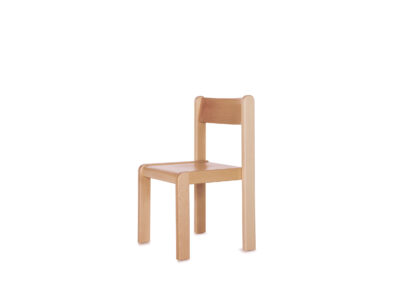
Children’s chair 1205

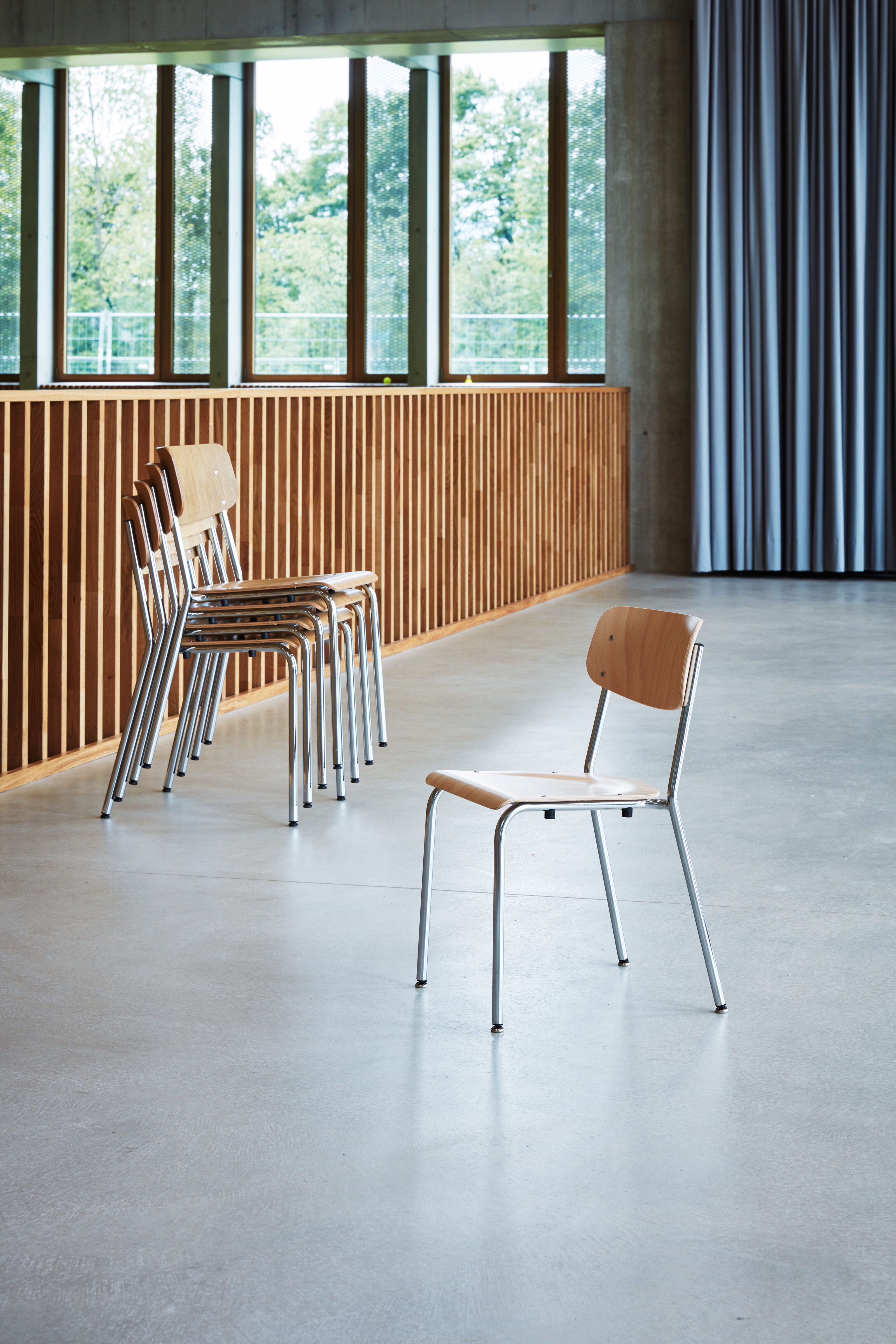
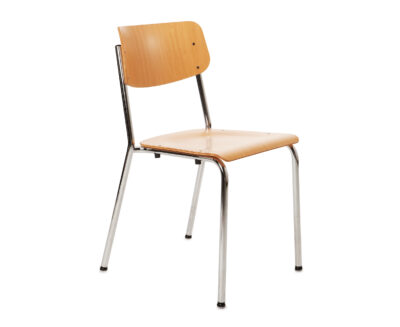
The Classic Chair 1255 by Gustav Hassenpflug in a proportionally scaled-down version

Information

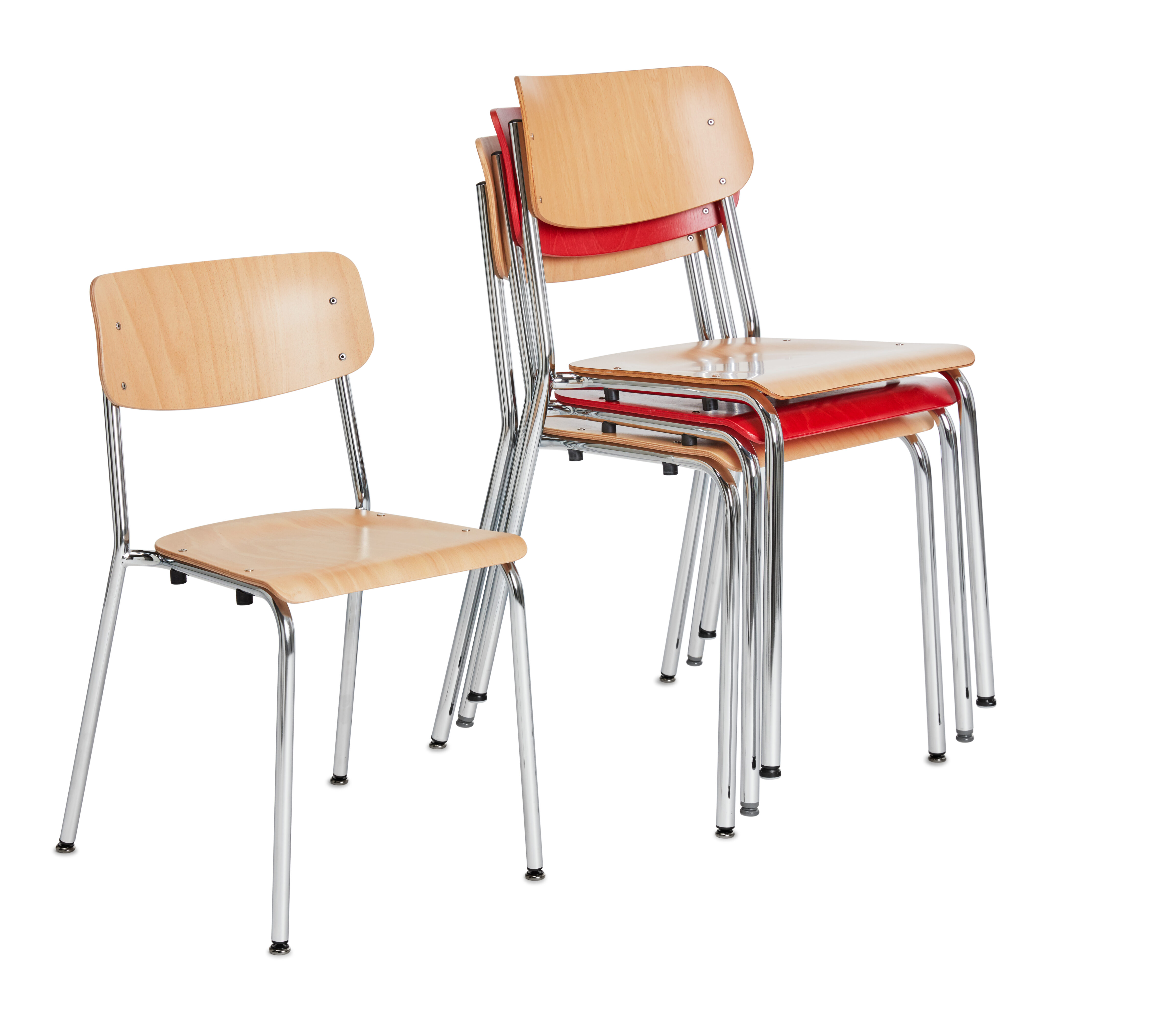
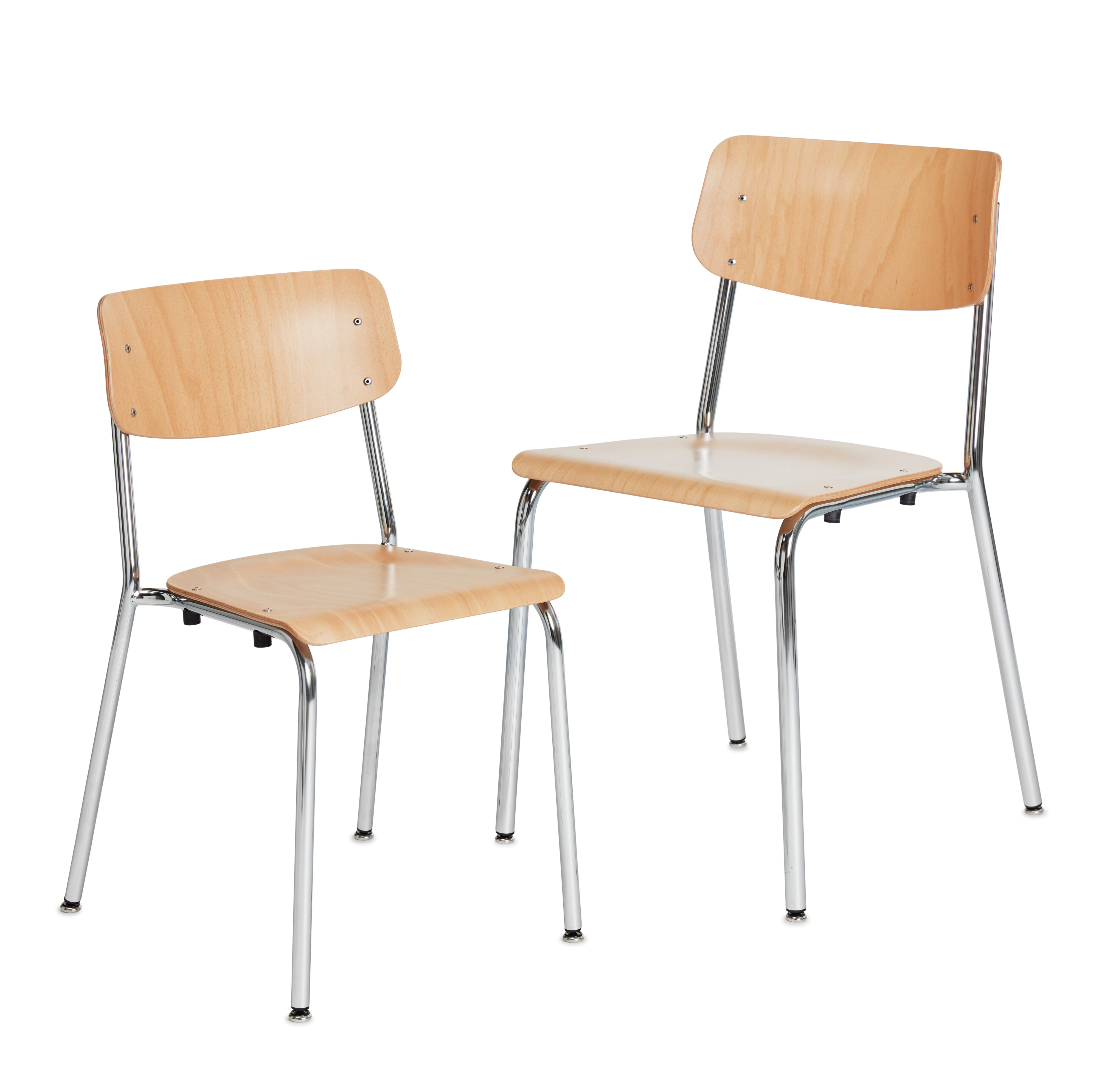
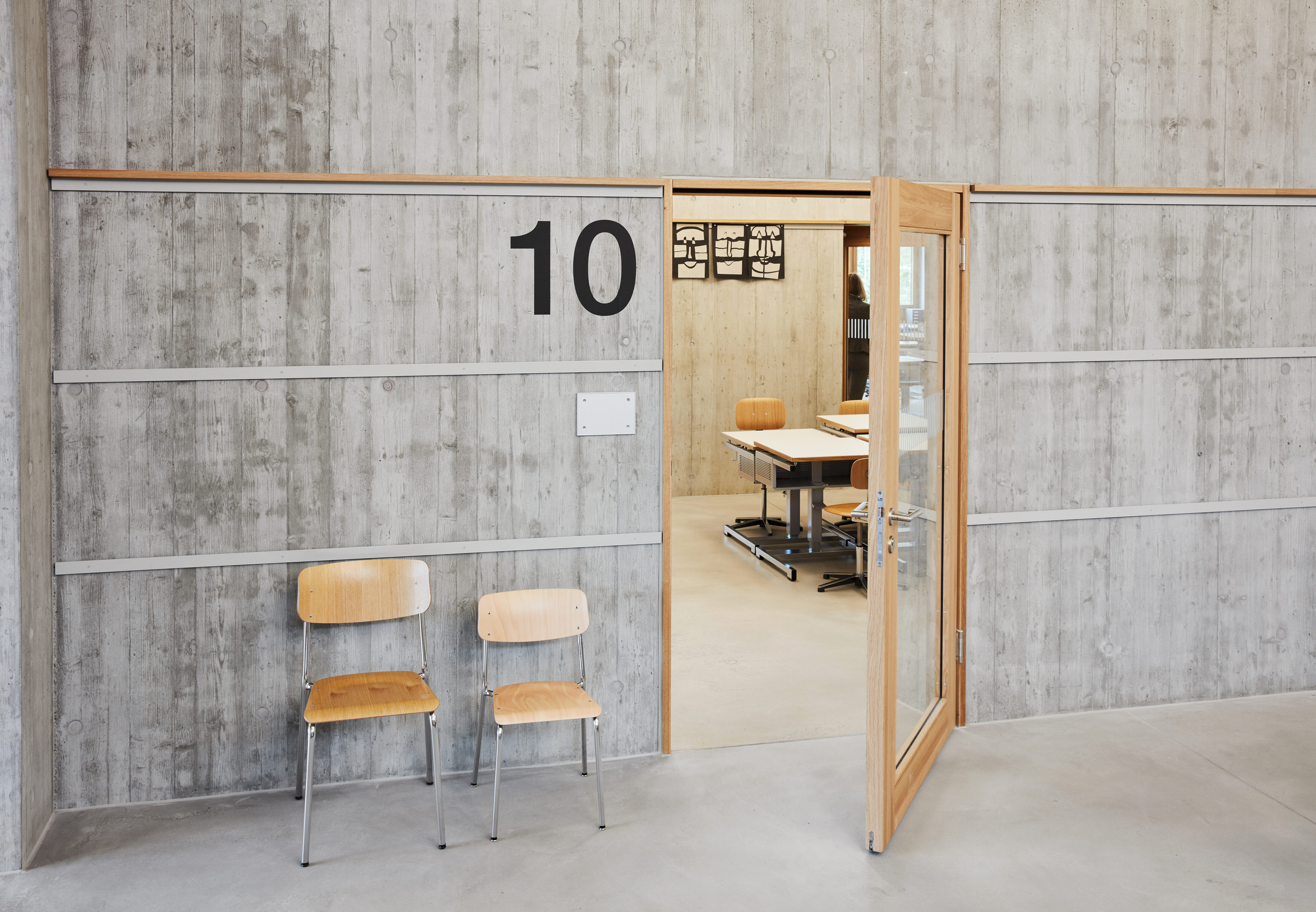
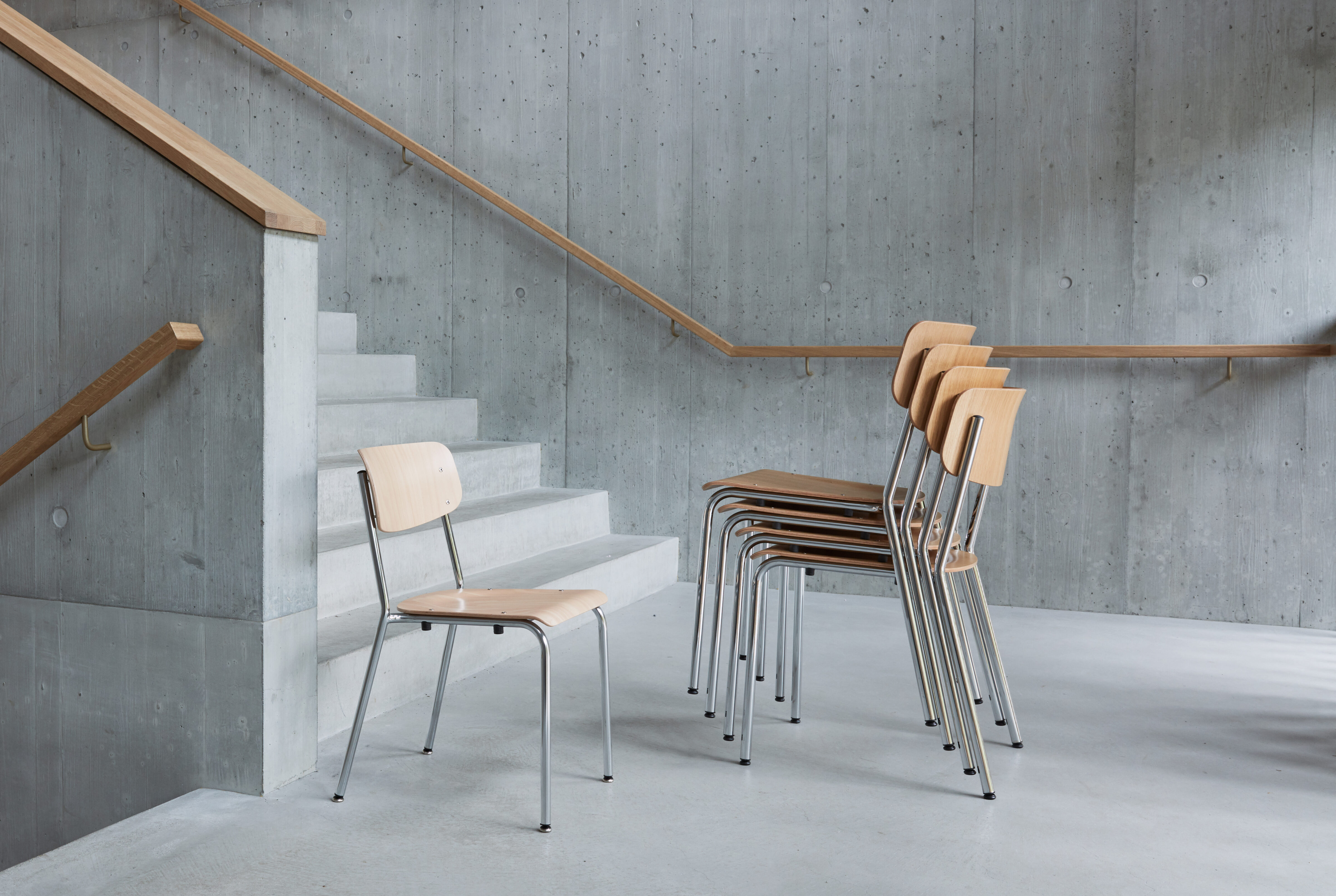
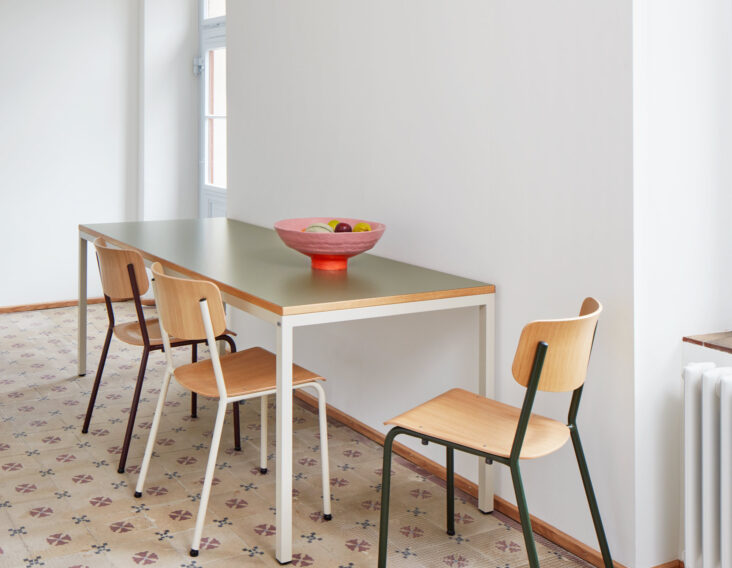
Even the little ones can sit in style. That’s why we’ve redesigned the children’s chair in this size. This timeless classic was designed in 1934 by the architect Gustav Hassenpflug. The 1205 children’s chair is also stackable and impresses with its clean lines. The frame is available in various colours.

  • Seat/backrest: moulded plywood, natural varnished beech with stacking buffers
  • Frame: bright galvanised or powder-coated in accordance with the Embru standard collection
  • Plastic glides
  • Options: Chrome-plated frame, articulated glides
Show more

Specifications

Schweiz
Schweizer Produkt
Designed, developed and manufactured in Switzerland
Stapelbar
Stapelbar
Up to 10 chairs
Cycle
Service + Reparatur
Embru offers servicing and repairs for this product

Inspiration

Finishes

Frame
Glanzverzinkt
Stahlrohr
Verkehrsweiss
RAL 9016
Weissgrün
NCS 1015 G80Y
Lichtblau
NCS 2010 R80B
Blau metallic
NCS 2060
Enzianblau
RAL 5010
Stahlblau
RAL 5011
Karminrot
RAL 3002
Orange metallic
NCS 0570
Grün metallic
NCS 3030 G
Staubgrau
RAL 7037
Graubraun
RAL 8019
Tiefschwarz
RAL 9005
Anthrazit metallisé
B1
Schwarz metalllisé
B2
Alu metallisé silber
B3
Grau metallisé
GM
Wooden parts
Buche natur
Formsperrholz

Downloads

Go to the planning section

Other chairs

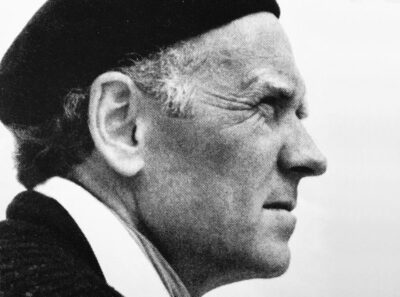
Gustav Hassenpflug

1907–1977

Gustav Hassenpflug

Gustav Hassenpflug was a German architect from Düsseldorf who studied at the Bauhaus in Dessau. He worked in partnership with Marcel Breuer in Berlin and later in the USSR. In 1934, at the age of 27, he moved to Switzerland and took up a post as technical director at Embru for six months. For the period that followed, up until 1939, he worked for Embru on a consultancy basis from time to time. At Hassenpflug’s suggestion, Embru developed the first height-adjustable school desks and chairs around 1934. By separating the chair from the table – unlike the fixed school desks common at the time – it became possible for the first time to put findings from occupational physiology into practice. This meant that children could be offered a workspace that could be individually adjusted.

Embru’s product range is organised according to a numerical system based on a four-digit code. When a product is added to the range, it is assigned its own unique number, which allows it to be reliably identified. This system was introduced in 1934 by Gustav Hassenpflug and has proved its worth to this day.


Find out more

Show more
Contact + downloads